Link between H1N1 vaccine and narcolepsy in children

needleNarcolepsy is a chronic sleep disorder that causes excessive sleepiness and frequent daytime sleep attacks. In 2009, the H1N1 swine flu triggered the development of new vaccines, which were speedily introduced and given to many at the height of the pandemic. In 2010, researchers from Sweden and Finland reported a link between narcolepsy and a H1N1 flu vaccine named Pandemrix, which was manufactured by GlaxoSmithKline and used in 47 countries.

By 2013, 800 children with narcolepsy have been linked to vaccination against the H1N1 flu across Europe. Doctors are also reporting more cases popping up in adults. The Scandinavian studies were supported by research from France, Norway, Ireland and the UK with some scientists reporting a 7- to 13-times higher risk of narcolepsy after vaccination. In Canada, a few cases of narcolepsy developed after vaccination with Arepanrix.

Dr. Emmanuel Mignot, one of the world’s leading experts on narcolepsy and director of the Stanford Center for Sleep Sciences and Medicine, began collecting blood samples from children worldwide and reviewing cases following the H1N1 pandemic. He discovered that in China, there was a threefold increase in the sleep disorder, with the majority of cases being children.

Dr. Mignot believes that in some cases, the H1N1 virus itself triggered the immune system to destroy hypocretin cells in the brain that run the sleep-wake cycle. A vaccine containing a potent adjuvant to boost the immune response, as in the case of Pandemrix, may have made children with a genetic predisposition to the disorder more susceptible to developing narcolepsy.

Vaccines can save lives. If you are concerned about the side effects of vaccinations, discuss with your naturopathic doctor how to better prepare your body to deal with them.

SOURCE:

http://www.ncbi.nlm.nih.gov/pubmed/24134219

http://www.ncbi.nlm.nih.gov/pmc/articles/PMC2954689/

Tips for a thinner Thanksgiving

turkeyHappy Thanksgiving Weekend, Canada! Below are a few tips for an enjoyable and healthier Thanksgiving.

1) Are there any foods we should avoid during the festive season?
As a general guideline, foods that are deep fried, batter-coated, starchy (such as breads, pasta, rice, potatoes) or drenched in a cream sauce or gravy should be avoided. Not only do these foods fill you up quicker but they are also packed with calories. Foods deep fried or with a crispy batter contain trans fats, which are detrimental to your health. 
 
pumpkin pie2) So if we do want some pumpkin pie, carrot and ginger cake or rich roast meats with gravy, what would be a reasonable portion?

With anything high in sugar or calories, always start with mini “tasting” portions first. If something was divinely delicious, then have a second larger portion, but limit the bigger portion to a palm size for the main dish (like roast beef) or 1/2 a palm size for desserts. For example, if after tasting the bite-sized pumpkin pie, you want more, have a serving the size of half your palm.

3) If we’re at the buffet, what foods should we eat first?

I recommend starting at the salad bar and loading up on fresh vegetables first (since breads, rice, pasta, potatoes, deep-fried foods and creamy soups will quickly make you full). Skip the creamy dressing and opt for a lighter one, such as balsamic vinegar. If you don’t like salads, then peruse the buffet aisles for cooked vegetables. Eating vegetables first will ensure that you leave the buffet (somewhat) healthier.

4) Any tips for alcohol consumption? It’s easy to go overboard amidst the festivities, so how much is OK and what types of alcoholic drinks are acceptable?

At the end of the day, our body treats alcohol as a toxin. It is only able to process so much at a given time. Furthermore, 1 gram of alcohol gives 7 calories (compare this to 4 calories per gram of carbohydrate). So, in the quest for “healthy” alcoholic drinks, I look at the nutritional benefits and/ or calories of a particular drink. For example, if you’re looking for a drink with nutrient value, try a glass of red wine. Not only does it contain potassium, iron and magnesium but it is also packed with resveratrol, an antioxidant with a potential to reduce blood clots and lower bad cholesterol. Note that a 5 ounce glass of red wine gives around 120 calories. Sangria made with red wine and antioxidant-rich fruits is also a healthy choice. Looking for a “healthier” beer? Made with more whole grains than lager, a Guinness is also full of nutrients, making it the beer of choice. If you prefer a drink with fewer calories, go for the gin or vodka and tonic or a whiskey on the rocks. With all alcoholic drinks, my advice is take your time slowly to enjoy- sip… sip… sip!

5) What would an ideal holiday plate look like?
An ideal holiday plate would be around 50% vegetables or salad, 25% turkey or other protein and 25% carbs (preferably a healthy carb choice like herbed quinoa or brown rice). If you must have stuffing or if you want an extra serving of dessert, skip the carbs (25% mentioned above) altogether.  

Hair loss: possible causes and what you can do about it

womanhairYour hair doesn’t just affect your looks- it’s also often an indicator of your health. The average person loses 50 to 100 hairs a day as part of the normal hair growth cycle, and with around 100,000 hairs on your head, this amount of hair loss should not be noticeable. Noticeable hair loss or thinning may be a sign of a more serious health condition. Possible causes of hair loss include:

1) Male-pattern baldness or female-pattern baldness is the most common cause of hair loss, especially in men. It is a hereditary condition where certain sex hormones trigger a pattern of permanent hair thinning. This condition can begin as early as puberty. As people age, hair generally thins out. Usually, it is more apparent as men enter andropause and as women enter menopause.

2) Temporary hair loss can occur after pregnancy, major surgery or sudden drastic weight loss. It may also occur after a period of extreme stress or as a result of hair-pulling (click here to read my case of the disappearing eyebrows).

3) Hair loss can also be caused by certain medical conditions including scalp infections (ringworm), thyroid imbalances (hypothyroidism, hyperthyroidism), autoimmune illness such as alopecia areata or SLE (lupus), PCOS (polycystic ovarian syndrome) and iron-deficiency anemia.

4) Certain pharmaceutical medications may also cause hair loss or balding as a side effect. These include Accutane (isotretinoin), Naproxen, Zantac (ranitidine) and drugs used to treat heart problems, cancer, hormone-related issues and depression.

5) Another culprit may be environmental toxins. Ongoing exposure to heavy metals such as mercury may result in hair loss which becomes gradually more apparent. Toxins in our environment cause hair loss by disrupting basic cellular functions in the body, thereby interfering with hormone production and regulation, as well as other vital processes.

If you notice your hair thinning, you should first rule out any underlying health conditions. Whether the culprit is a hormonal imbalance, medical condition or heavy toxic load, it is important to treat the cause and not just the symptoms. If you recently underwent an intense period of stress, be sure to replenish your system using adaptogens and nutraceuticals to minimize the effects of stress on your body. Click here to learn more about stress and premature aging.

Before reaching for Rogaine (minoxidil), Propecia (finasteride) or a wig, make sure that your body has all the building blocks for healthy, strong hair.

“Having a balanced diet, while putting a little extra emphasis on things like protein and iron, gives your hair a boost,” says Neil Sadick, a clinical dermatology professor at the Weill Cornell Medical College. Besides protein and iron, other vital nutrients that support a healthy hair and scalp include silica, biotin, zinc, folate, vitamin A and omega-3 fatty acids. Consult a licensed naturopathic doctor on proper dosages of these nutraceuticals- the amount found in multivitamins are generally not enough for therapeutic effects.

PCOS and fertility- how natural medicine can help

serious1The problem with PCOS

Women with PCOS don’t ovulate regularly, resulting in irregular periods or amenorrhea (absence of period) and infertility. They may have high levels of testosterone which lead to acne, excessive facial/ body hair growth and head hair loss. On their pelvic ultrasound, ovarian cysts resembling a “string of pearls” can be seen. They also present with blood sugar imbalances and insulin resistance, which are often (but not always) associated with obesity and type 2 diabetes. These imbalances affect egg development and ovulation, and ultimately, fertility.

You may have, perhaps while investigating causes for infertility, stumbled upon this diagnosis. Though it may be discouraging to hear such a diagnosis, do not lose heart! Dr. Yik has helped numerous women with PCOS attain regular periods, reduce acne as well as excessive hair growth and even fall pregnant using natural medicine. PCOS doesn’t automatically spell infertility.

How can natural medicine help?

1) There are medicinal herbs that help women with PCOS promote hormonal balance and ovulation. Various herbs can help to regulate menstrual cycles by supporting release of hormones responsible for stimulating ovulation, reducing high testosterone levels, tonifying the reproductive system and/ or working as an anti-inflammatory. Others may promote circulation to the reproductive system to reduce pelvic congestion and support ovulation. In naturopathic medicine, both Western and Chinese medicinal herbs are combined to suit the individual’s needs and constitution. Since symptoms and their severity are different in every case, see a licensed naturopathic doctor to get properly assessed so the appropriate treatment can be prescribed.

2) Blood sugar imbalances affect egg development and ovulation, and this is one of the reasons why women with this condition find it difficult to conceive. Also, foods with a high glycemic index (causing glucose and insulin levels to spike) affect the development and severity of acne. Metformin is the drug generally given to PCOS patients to control blood sugar imbalances.  For women who cannot tolerate the side effects of Metformin or who prefer natural alternatives, D-Pinitol and Gymnema are nutraceuticals that can help.

asianwoman3) Certain dietary and lifestyle changes can improve symptoms of PCOS including infertility, hair loss, weight gain, absence of regular periods, lack of ovulation, and facial hair growth. Around 60% of women with PCOS are overweight. If you are overweight, bringing your weight down to a healthy level will also lessen PCOS symptoms.

If you have PCOS or other fertility concerns, please click here to learn how Dr. Yik can help you navigate through natural medical options. Click here to contact Dr. Yik.

Fevers: when (and when not) to be alarmed

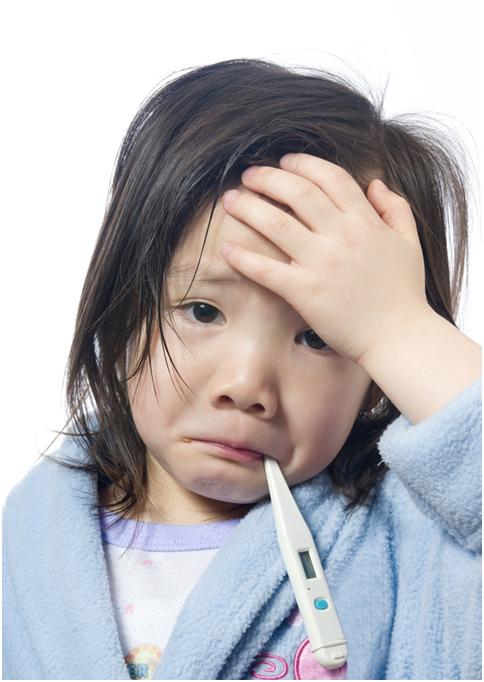
kid2When your child’s temperature rises, your stress levels may rise as well. A fever is not an illness, but rather a signal from the body that something is not right. Experts say that in healthy kids, fevers usually don’t indicate anything serious. In fact, a fever is a good thing in a way- This spike in body temperature directs the immune system’s white blood cells to attack and eradicate invading bacteria and viruses. It’s a sign that your child’s immune system is doing its job. A fever is defined as having an oral temperature of or above 37.5°C (99.5°F) or a rectal temperature of or above 38.0°C (100.4°F).

A lot of Hong Kong parents panic and freak out when their child’s temperature rises, often reaching for the Panadol/ Tylenol at the first confirmation of a fever and rushing to see the doctor. But some researchers suggest that an elevated temperature may help the body fight infections more effectively.

“If you have to chase him around to give him medicine, he probably doesn’t need it,” says Dr. Laura Jana, a pediatrician and co-author of American Academy of Pediatrics’ Heading Home With Your Newborn. “Letting your child’s fever run its course may actually help his body fight the underlying infection.”

So, when should you be concerned? Well, what to do about a fever depends largely on the accompanying symptoms (if any), your child’s age and the temperature reading.

Below are some tips to help you navigate through your child’s fever (and yours as well!). Of course, when in doubt, always call your doctor or paediatrician.

1) For children with a fever below 39.0 °C (102.2°F) and acting their usual self, I generally tell parents to give them plenty of fluids (popsicles and ice chips work as well) and rest in addition to monitoring them. Remember, your goal should be making them feel comfortable, not reducing the fever. Dress them in light clothing and use tepid baths or cool compresses on the forehead to help cool them down. Extra vitamin C and zinc won’t hurt. Give pharmaceutical or natural fever reducers only if they feel uncomfortable.

baby92) For infants less than 3 months old, a rectal temperature of above 38.0°C  warrants a visit to the paediatrician or hospital to receive a full septic workup. An infant cannot tell you how s/he’s feeling and since an infant’s immune system isn’t fully developed, s/he’s more vulnerable to potentially life-threatening infections such as pneumonia or bacterial meningitis.

3) Call or visit your doctor if your child over 6 months and exhibits a fever above 39.0°C with 2 or more of following symptoms: a sore throat, a runny/ stuffy nose, headaches, a cough, body aches, chills, fatigue, vomiting, diarrhea, feeding poorly, unable to drink or retain fluids.

4) Visit your doctor when symptoms include fever with a sore throat, earache or pain on urination. These cases may warrant the use of pharmaceutical or natural antibiotics.

5) If your child is under 2 and the fever lasts over 48 hours or if the fever returns after several days, visit your doctor.

6) Certain symptoms with fever, though rare, require immediate medical attention. If your child is experiencing extreme shortness of breath, has difficulty waking or develops a rash that doesn’t blanch when you touch it or has bruisy-looking purple spots (both symptoms may indicate meningococcemia), go to the hospital E.R. right away. Call 999 or Emergency Medical Services (E.M.S) if you find the lips, tongue and nails turning blue (a sign of not getting enough oxygen) or a stiff neck (a possible sign of meningitis) or severe abdominal pain (a possible sign of appendicitis). 

7) A small percentage of children may have seizures with high fever. Though it may be frightening to the parent or caregiver to watch, these febrile seizures usually do not cause brain damage.

8) Remember to keep hydrated with plenty of fluids during the course of a fever and watch out for signs of dehydration. Often times, it’s moderate to severe dehydration caused by the fever that sends the child to the hospital to receive intravenous (I.V.) treatment.

“Fever is nature’s engine, which she brings into the field to remove her enemy.”- Thomas Sydenham

If you are pregnant or a new mom, click here to find out how to boost your baby’s immunity!

Breastfeeding: giving your newborn “liquid gold”

baby's hand

August 1st to 7th marked the annual World Breastfeeding Week. In Hong Kong, the statutory maternity leave lasts only 10 weeks, forcing many new moms back to work when the baby is not yet 3 months old. But fortunately, numerous moms decide to extend their maternity break with annual leave or non-paid leave to spend more time with their little ones, which allows them to breastfeed longer. Others take on pumping and preserving breast milk at work. If you are nursing, pregnant or planning to be, below are some encouraging reasons to breastfeed:

1) Breast milk contains the ideal nutrition for your newborn and contains disease-fighting antibodies that protect him/ her from illness. There is no equal replacement for breast milk. Health experts strongly recommend breastfeeding, as breast milk is the best food for infants and is often referred to as “liquid gold”.

2) Breastfeeding reduces your baby’s risk of having asthma or allergies.

3) Studies show that babies breastfed exclusively for the first 6 months have stronger immune systems, with fewer ear infections, respiratory infections and hospitalizations.

4) A study published in the May 2010 issue of the journal Pediatrics revealed that babies who are breastfed are less likely to have fevers after their immunizations than babies who are fed formula.

5) Breastfeeding creates a strong bond between mother and baby, which is important for the baby’s emotional and intellectual development. Try stroking your baby’s skin while nursing- this helps to build and develop neurons in the baby’s brain which will allow him/ her to cope with emotional stress.

6) The National Institutes of Health, after reviewing more than 9,000 study abstracts, concluded that women who didn’t breastfeed or stopped breastfeeding early on had a higher risk of postpartum depression.

Commercial infant formulas are commonly thought to be the recommended infant food after breastfeeding, but it isn’t. The World Health Organization (WHO) states: “The second choice is the mother’s own milk expressed and given to the infant in some way. The third choice is the milk of another human mother. The fourth and last choice is artificial baby milk.”

Click here to read more on breastfeeding. If you are pregnant or planning to be pregnant, click here to find out how a natural child birth can improve your chances of successful breastfeeding.

News alert: New Zealand milk powder products (including infant formula) contaminated with botulism bacteria

New Zealand’s Fonterra, the world’s largest dairy exporter, issued a warning yesterday that some of its products used in infant formula and sports drinks may contain a bacteria that causes botulism, which can lead to severe food poisoning, paralysis and even death.

According to Fonterra, it sold New Zealand-made whey protein concentrate contaminated with the Clostridium botulinum to eight customers, for possible use in infant formula, body building powder and other products (Interestingly, Botox injections are made from the same toxin released by the same bacteria). The contaminated milk powders were exported to various countries including Australia, China, Vietnam, Thailand, Malaysia and Saudi Arabia. 

New Zealand authorities said they have held back some widely used infant formula products from supermarkets, notably the Karicare infant formula, while China has halted all imports of milk powder from New Zealand. It has been 5 years since melamine-tainted infant formula killed at least six there and made thousands sick in China, who imports the majority of its milk powder from New Zealand. 

UPDATE (August 5, 2013): Hong Kong media reported today that Cow & Gate milk formula has been affected. 

Calcium and lactose intolerance

child

Calcium is an essential nutrient necessary for the development and maintenance of strong bones, teeth, muscles and nerves. It is also helpful in preventing heartburn, premenstrual syndrome and other ailments. For adult women and men, you should aim to get 1000mg of calcium each day. If you are pregnant, you should be getting 1300mg of calcium each day. For children, the RDA varies between 500mg and 1000mg depending on the age.

We know that calcium is readily found in milk and dairy products, but people who are lactose intolerant aren’t able to break down lactose, a sugar found in milk and dairy products. Lactose intolerance is due to a deficiency of the enzyme, lactase. This condition is more prevalent in Asia compared with Europe or cultures where dairy products are a common food source. Some reports say up to 90% of Asian adults are affected, with symptoms ranging from bloating and cramps to increased flatulence and loose stools/ diarrhea. Some people may confuse lactose intolerance with a milk allergy or sensitivity. If you merely have lactose intolerance, consuming lactose-free milk or taking a lactase enzyme supplement with dairy products should solve the problem.

So, if you are lactose intolerant, how do you ensure adequate calcium intake?

Non-dairy sources of calcium include tofu/ soy, white beans, almonds, sesame seeds, kale, collard greens, broccoli and mustard greens. If you’re seeking dairy alternatives, just look for the huge array of calcium-fortified beverages available in the local supermarket- orange juice, rice milk, oats milk, almond milk, soy milk, etc. A cup (240mL) of cow’s milk gives approximately 300mg of calcium. Most of the calcium-fortified beverages give a similar amount of calcium per cup. If you’re unsure, read the labels.

The best way to get our calcium is from our diet, but calcium supplements are an option for those whose diet is lacking in this important nutrient. When choosing a calcium supplement, pick one with vitamin D, which helps the body better absorb calcium. Also, beware of calcium carbonate formulations- many recent studies have found that this type of calcium is contaminated with lead and other toxic heavy metals.

Throat cancer linked to oral sex

So, what exactly is the link between throat cancer and oral sex? In a recent interview, American actor Michael Douglas admitted that his throat cancer may have been caused by the human papilloma virus, or HPV, transmitted through oral sex.

HPV is a virus that is spread through physical, oral or genital contact. There are more than 100 strains of HPV. Some are benign, causing common skin warts, while others cause genital warts or are linked to certain cancers.

HPV-16 and HPV-18 are the 2 “high risk” strains most likely to cause cancer. HPV-16 alone is thought to be responsible for around 60% of cervical cancers, 80% of cancers in the anus and 35% of oropharyngeal cancers.

A 2011 study published in the Journal of Clinical Oncology revealed that cases of oropharyngeal cancer related to HPV increased from 16.3% to 71.7% between 1984 and 2004. In the same year, data presented at the American Association for the Advancement of Science annual meeting suggested that this virus was overtaking tobacco as the leading cause of oral cancers in Americans under the age of 50.

“Adolescents don’t think oral sex is something to worry about. They view it as a way to have intimacy without having ‘sex’,” said Bonnie Halpern-Felsher, professor of pediatrics at the University of California, San Francisco. She was part of the group of researchers who presented at the annual meeting.

Sara Hiom, Cancer Research UK’s director of health information, suggested taking heed. “HPV is an extremely common virus. Practicing safer sex may reduce the risk of getting or passing on HPV, but condoms won’t stop infections completely.” 


SOURCE: http://jco.ascopubs.org/content/early/2011/10/03/JCO.2011.36.4596.abstract

http://www.ncbi.nlm.nih.gov/pubmed/23775966

Ear infections: are antibiotics necessary?

baby5Middle ear infections, also known as otitis media, are one of the most common infections among children, affecting 3 in 4 kids by the time they are three years old. Concerned parents are often eager to go to the doctor for antibiotics right away. But are antibiotics always necessary?

What parents may not be aware of is that many ear infections go away on their own. In fact, 70% of children get better on their own within 2 to 3 days. The American Academy of Pediatrics released a new set of guidelines earlier this year on how to treat ear infections, recommending that physicians adopt a “wait and see” approach in most cases, and only to prescribe antibiotics if the child’s condition doesn’t improve within 2 days. 

These new guidelines also help reduce unnecessary antibiotic use, since the overuse or misuse of antibiotics has led to the development of superbugs and infections that are getting harder to cure. Antibiotics can also cause upset stomach and allergic reactions as well as disrupt intestinal microflora- they kill off the good bacteria, probiotics, which are a crucial factor for good health.

Included in the guidelines are ways parents can protect their children from ear infections in the first place, emphasizing the importance of breastfeeding exclusively for the first 6 months and keeping kids away from cigarette smoke.

According to the guidelines, a child with otitis media should get antibiotics under the following circumstances:

– when the child is showing severe symptoms such as pain and swelling for at least 48 hours

– when the child has a fever higher than 39 degrees Celsius (102.2 degrees Fahrenheit)

– when the child’s eardrum has ruptured

Click here to see how Dr. Yik can help your children achieve and maintain optimal health naturally. 

SOURCE: http://pediatrics.aappublications.org/content/early/2013/02/20/peds.2012-3488