(Anti) aging naturally- part 1

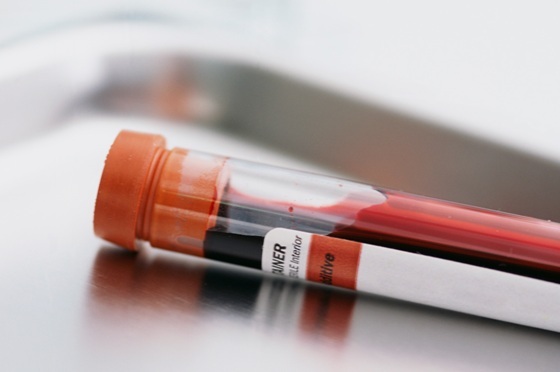
Earlier this month, 4 women in Hong Kong ended up in the hospital with septic shock following a beauty treatment that involved blood transfusions, and 1 of them has since succumbed.

I’ve had 20-something-year-old patients confessing to regular botox injections and others coming to me to lose another 10 pounds when they are already stick-thin. Women (and men!) nowadays strive to be beautiful every minute of every day, and while many patients are willing to try virtually anything that promises anti-aging or rejuvenating effects, I often remind them not to neglect their health. Afterall, it’s what’s happening inside that’s being reflected out.

So, what is happening inside? What causes us to age? Well, let’s look at aging at the most basic, cellular level.

The key to this is called a telomere. Telomeres are the tips at the ends of our chromosomes that protect our DNA. They are like the plastic caps at the end of shoelaces, or like the erasers at the end of pencils. Over time, as our cells divide over and over again, the telomeres become shorter and shorter.  When the telomeres get too short to work properly, cells in your body start to malfunction or die, and the diseases of old age set in (click here to watch telomeres discussed on ABC news- “Aging Reversed in Mice”). Theoretically, scientists say we can slow or even reverse aging by keeping the length of our telomeres.

Researchers have found that telomeres shorten with stress, poor dietary choices and inflammation.

Consider the following:

1)  A University of California in San Francisco study looked at women who faced intense stress in caring for chronically ill children. Dr. Elissa Epel and her team found that the longer a woman cared for a child with a serious illness, the shorter her telomeres- which points to rapid aging caused by high stress. “It’s very sad,” Dr. Epel says in the study. “These women are paying an intense personal price.” This premature aging response was not confined to caregivers as the study also studied mothers of healthy kids. Most of the women in this group did not report a burn-out stress level. But those that did also turned out to have shorter telomeres. Interestingly, “women with the highest levels of perceived stress have telomeres shorter on average by the equivalent of at least one decade of additional aging compared to low stress women”.

2) So, what does this mean for us? A positive outlook on life, a regular stress-management regime, and the support of friends can help buffer the potential damage of ongoing stress, Dr. Epel recommends. The connection between laughter and longevity has been known for a long time. Laughter is a great antidote to stress, pain and conflict. It strengthens social bonds and relationships. Laughing also positively affects hormones by increasing endorphins, which are the body’s natural pain killers and facilitate a state of peace in the body.

3) Inflammation is another controllable factor that can shorten telomere length and increase cell aging. Researchers have identified many nutraceuticals (e.g. resveratrol, omega-3 fatty acids, grape seed extract, curcumin, etc.) that can lower systemic inflammation, which in turn helps to maintain telomere length. Click here to read more about ways to reduce inflammation, and the cancer/ inflammation connection.

Stay tuned for Part II in ‘(Anti) Aging Naturally’, where building blocks necessary to support DNA health, natural medicines to help your body adapt to stress (especially for those chronically stressed or working long hours) and other ways to tackle the aging process- naturally- will be discussed. Click here to learn how Dr. Yik can help you.

SOURCE: http://www.pnas.org/content/101/49/17312; http://www.ncbi.nlm.nih.gov/pmc/articles/PMC3057175/http://www.naturalnews.com/034513_telomeres_longevity_nutrition.html#ixzz2A0hIn8d6

Three simple back-to-school reminders to boost immunity

As children return to school, parents want to ensure that they are healthy and energized. Following these three simple reminders will help you and your child get started on a great school year!

1) Having three main meals (plus one to two snacks) a day, including protein and colourful vegetables, helps prevent nutrient deficiencies and boost immunity. Vitamin C and zinc are two important nutrients for the immune system. Foods rich in vitamin C include papayas, kiwis, strawberries, dark leafy greens (also a source of calcium), broccoli and bell peppers. Foods rich in zinc include lean meats, egg yolks, fortified cereals, pumpkin/ sunflower seeds and nuts.

2) Have your breakfast! Breakfast in the morning will provide energy and improve your child’s alertness, attention span and school performance. It should comprise of foods from various food groups. Try adding papaya chunks, almonds or pumpkin seeds to the usual bowl of steel-cut oats or muesli. If your child is a picky eater and prefers having only one food at a time, don’t stress over not having a meal of balanced nutrition. Instead, just rotate healthy breakfast ideas and aim for a balanced week.

3) Studies show that children who get adequate sleep have better functioning immune systems. This is because sleep deprivation decreases our body’s production of infection-fighting antibodies and cytokines. School-aged children should aim for 10 or more hours of sleep per night, while teenagers should get at least 8 to 9 hours per night. If your child persistently has trouble falling asleep or wakes up intermittently throughout the night, it’s important to address the root cause of the issue.

Click here to see how Dr. Yik can help your child attain optimal health.

Baby boomers should be tested for hepatitis C

In the United States, the Centers for Disease Control and Prevention (CDC) has called for all Americans born between 1945 and 1965 to be tested for the Hepatitis C virus (HVC), which can cause cirrhosis and liver cancer.

Baby boomers are 5 times more likely than other adults to carry the hepatitis C virus. About 1 in 30 boomers is infected and thousands die each year of cirrhosis and liver cancer.

People at risk for contracting this virus include those exposed to intravenous drugs, shared needles, blood transfusions and transplants, and unprotected sexual activity. 130 to 170 million people worldwide are chronically infected with hepatitis C, according to the World Health Organization.

Because approximately 80% of people with the virus do not exhibit any immediate symptoms, many people are not tested for years. If you were born between 1945 and 1965, you should get tested.

Click here to learn more about the liver’s important functions and ways to boost liver health.

Plastic spill on beaches- Hong Kong government criticized

Activists on Saturday revealed that hundreds of millions of potentially toxic plastic pellets from containers have washed up on Hong Kong beaches where they lay for almost 2 weeks. These plastic pellets were knocked off from a vessel during Hong Kong’s worst typhoon in 13 years on July 23rd/ 24th, 2012.

150 tonnes of the pellets are estimated to have been spilled on the beaches. Only a third has been cleaned up so far. “It looked like it snowed in east Lamma,” said Gary Stokes, a representative for Sea Shepherd Conservation Society, an international marine life conservation non-profit and another stakeholder in the clean-up operation.

The Hong Kong government has been criticized for its lack of public notice about the spill, almost two weeks after Typhoon Vincente which was upgraded to Signal 10. The government said its marine and environmental protection departments responded immediately after receiving public complaints in the typhoon aftermath. Both departments are working with the ship owner to clean up the spill, they said in a joint email reply. The Environmental Protection Department said water quality had not been affected.

But while they claim the pellets are harmless in their original state, plastic absorbs toxins and pollutants over time and could poison the food chain when marine creatures consume them. Plastic also contains bisphenol-A (BPA), which is an endocrine disruptor known to cause hormone imbalances. BPA has also been linked to cancers in lab animals, and there is some concern that it could also cause cancers in humans.

Click here to read more on how plastics may affect your fertility, as well as the health of you and your children.

Iced tea may lead to kidney stone formation

A recent study shows that iced tea may contribute to the formation of painful kidney stones.

Iced tea contains high levels of oxalate, a key chemical that leads to the formation of kidney stones. Dehydration is the most common cause for kidney stones and, when combined with increased iced tea consumption, will raise the risk for the condition. Men are 4 times more likely to develop kidney stones than women, and the risk rises dramatically after age 40.

“For people who have a tendency to form the most common type of kidney stones, iced tea is one of the worst things to drink,” said Dr. John Milner from the Department of Urology at Loyola University Chicago Stritch School of Medicine. “People are told that in the summertime they should drink more fluids. A lot of people choose to drink more iced tea, because it is low in calories and tastes better than water. However, in terms of kidney stones, they might be doing themselves a disservice.”

Though hot tea also contains oxalate, it’s hard to drink enough to cause kidney stones, Dr. Milner explained. About 85% of tea consumed in the United States is iced, according to the Tea Association of the USA.

To quench thirst and properly hydrate, Dr. Milner suggests drinking water. Real natural lemonade is another good option since lemons, being high in citrates, inhibit the growth of kidney stones.

SOURCE: Loyola University Medical Center


Study confirms uncircumcised boys’ UTI risk

A study published recently finds that infant boys who are uncircumcised have an increased risk of urinary tract infection, regardless of whether their foreskin is “tight” or not. According to the American Academy of Pediatrics (AAP), an uncircumcised boy has about a 1 in 100 chance of developing a UTI in his first year of life. The risk for a circumcised boy is 1 in 1,000. The uncircumcised boys’ absolute risk is still low, noted Dr. Alexander Sasha Dubrovsky, the lead author in the study.

Dr. Dubrovsky’s team studied 393 infant boys who were sent to their hospital’s ER for UTI testing. Of the 393 babies, 309 were uncircumcised, which is what researchers expected since being uncircumcised is a known risk factor for infant UTIs.

But among the uncircumcised babies, there was no evidence that foreskin “tightness” mattered in their risk for infection. They had a higher UTI risk regardless of whether the urethral opening was clearly visible or hard to see.

In babies, UTIs are tough to recognize because they typically cause only vague symptoms similar to colds or other common childhood ailments. Circumcision is one of the factors considered in deciding whether or not to test baby boys for a UTI. Their suspicion of a UTI is higher when a boy is uncircumcised. And based on the current findings from the study, that shouldn’t change, the researchers say.

UTIs are usually not serious infections and can easily be treated with antibiotics. But untreated infections could scar the kidneys. Besides the lower risk of UTI in infancy, circumcised boys may also have a slightly lower risk of sexually transmitted infections (STI), including HIV, later in life. They also seem to have a lower risk of penile cancer, a rare form of cancer.

“Our study doesn’t answer any questions on the potential benefits of routine circumcision,” Dr. Dubrovsky said. He suggests that parents talk with their doctors about the pros and cons of circumcision, then decide for themselves. He also stressed that the study was not set up to inform the debate over circumcision.


SOURCE: Canadian Medical Association Journal, July 2012

Fats and developing dementia

Dietary fat affects our health in a number of ways. Now, a study suggests that the risk for developing dementia later in life depends on the type of fat consumed.

Researchers studied 6,183 women over age 65 and tracked their fat consumption and changes in their mental abilities over four years. After controlling for many health and socioeconomic factors, the scientists found that women who consumed the most saturated fat were 60% more likely than those consuming the least to report a decline in memory and abstract thinking. On the other hand, women who reported consuming the most monounsaturated fat (MUFA)were 44% less likely to report such a decline. Consumption of total fat, polyunsaturated fats (PUFA) and trans fats were not associated with any change. In other studies, polyunsaturated fats, which are found in fatty fish, flax seeds and grapeseed oil, have been shown to improve heart health among other benefits.

“People might consider making changes or substitutions in their diet, switching out saturated fats in favor of monounsaturated fats,” said lead author, Dr. Olivia I. Okereke, an assistant professor of psychiatry at Harvard.

Monounsaturated fats are found in olives/ olive oil, nuts/ nut butters and avocados. Saturated fats are found in meats, coconut oil, butter and cream.

SOURCE: Annals of Neurology, May 2012

Study: HIV transmission risk and bacterial vaginosis

A study has found that the risk of female-to-male HIV transmission is increased three fold for women with bacterial vaginosis, a common disorder in women.

The researchers at UCSF assessed the association between bacterial vaginosis and female-to-male HIV transmission risk in a prospective study of 2,236 HIV positive women and their uninfected male partners from seven African countries.

“Previous research has shown that bacterial vaginosis can increase a women’s risk of becoming infected with HIV as much as sixty percent. Our study is the first to show that the risk of transmitting HIV is also elevated. Our findings point to the need for additional research to improve the diagnosis and treatment of bacterial vaginosis…” said the study’s lead author, Dr. Craig R. Cohen, MD, MPH, professor of obstetrics, gynecology and reproductive sciences at UCSF.

Bacterial vaginosis is a disruption of vaginal flora, which takes place when bacteria that are helpful are reduced and more harmful bacteria are increased. Besides increasing the risk of becoming infected with HIV, bacterial vaginosis can increase the risk of acquiring other sexually transmitted infections (STIs) and increase the risk of preterm delivery.

Do you suffer from bacterial vaginosis? See a naturopathic doctor today to rebalance your system’s microflora and to boost your immune system.

SOURCE: PLoS Medicine

Study: less folic acid in pregnancy linked to autism

In a study found in the American Journal of Clinical Nutrition, women whose children had autism recalled getting less folic acid through food and supplements early in their pregnancies than those whose kids did not develop the disorder.

Researchers reported last week that meeting recommendations for folic acid, at least 600 micrograms (mcg) per day, in the first month of pregnancy was tied to a 38% lower chance of having a kid with autism or Asperger’s Syndrome.

Folic acid is the synthetic form of the B-vitamin folate and it has been added to breakfast cereals and other grains in the United States since 1998 because deficiencies in pregnant women made it more likely for their babies to have brain and spine birth defects. Folate “becomes very critical in the early stages of life… as well as the first year of life, when basically the brain is establishing connections and functions,” said Edward Quadros from SUNY Downstate Medical Center in Brooklyn, New York.

SOURCE: American Journal of Clinical Nutrition, first published online May 30, 2012

FDA: Teething gel warning for babies

The Food and Drug Administration (FDA) has warned that rubbing Orajel or Anbesol on the gums of a teething baby can lead to methemoglobinemia, a serious condition that leads to oxygen deprivation and, in extreme cases, even death.

These topical anesthetics sold over-the-counter for teething and toothache pain contain benzocaine, the source of the FDA’s concern. The risk is greatest among children younger than 2, the age range at which most children experience teething pain.

The FDA first warned about the products in 2006, with the list including Hurricaine, Baby Orajel and Orabase, as well as Orajel and Anbesol. Since then, the agency has received “29 reports of benzocaine gel-related cases of methemoglobinemia.”

Natural tips for soothing sore gums include a chilled washcloth or teething ring, rubbing or massaging the gums with pressure, and hard foods such as teething biscuits or chilled cucumber for gnawing. Always monitor your child to prevent choking.