Want to prevent your child from autism?

Could you be unintentionally hindering your child from developing healthy social skills? In this day and age, children are exposed to electronics at a very young age. Some even boast the latest, trendiest educational software on these often convenient and portable gadgets.
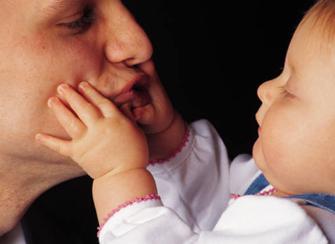
But Dr. Rebecca Landa, director of Kennedy Krieger’s Center for Autism and Related Disorders, warns parents that this may have an effect on children’s social development. A study which she led, published in the September 2010 issue of the Journal of Child Psychology and Psychiatry, found that an early marker for later communication and social delays in infants at a higher risk for autism is infrequent gazing at other people. Six-month-old infants in the study were given the opportunity to pay attention to either an object or their caregiver. Those in the high-risk group were not as engaged or socially interactive on their own as their peers, though they would still respond when prompted by their caregivers.

Dr. Landa suggests teaching infants simple songs paired with easy, predictable gestures to promote language and social learning, rather than using electronic toys that can be enjoyed and operated without engaging with others. Humans are social beings. No electronic or toy can take our place. Don’t deprive your baby of human interaction!

Note: a similar article on infrequent gazing/ risk for autism was posted in September 2010

Giving your newborn the best start: delayed cord clamping

Clamping a newborn baby’s umbilical cord too soon after birth could lead to oxygen deprivation and may explain the dramatic rise in autism, scientists have warned.

The routine practice of obstetricians and hospitals is to cut the cord almost immediately after delivery, but recent research suggests that doing so may reduce the infant’s supply of oxygen and nutrient-rich blood in the crucial minutes before they start breathing. Specialists now believe that in vulnerable infants, this is leading to iron deficiencies, brain hemorrhaging and mental impairment, including autism.

Dr. David Hutchon, consultant obstetrician at Darlington Memorial Hospital who has studied the effects of cord clamping says,”Babies are being put at risk by clamping the cord too quickly. The blood and oxygen supplies in the baby are rapidly decreasing during the minutes after birth. Infants need an increased blood volume to fill their lungs and the rest of their organs that are coming into use.”

In one major study, involving more than 1,900 newborns and published in the Journal of the American Medical Association, delaying cord clamping for two minutes reduced the risk of anemia by half and low iron levels in the blood by a third.

Dr. Andrew Weeks, senior lecturer in Obstetrics at the University of Liverpool and practicing obstetrician at Liverpool Women’s Hospital, had similar findings in his study published in the British Medical Journal. “I delay the cutting of the cord,” he says. “This is especially important for premature babies who have fragile blood vessels. The lack of blood supply could theoretically lead to autism. There is evidence to show it [immediate clamping] can damage a baby but none to show it can benefit.”

Leaving a newborn baby’s umbilical cord intact until it stops pulsating allows all the nutrients from the placenta to pass to the baby. Parents should be informed of this option and given a choice. Talk to your obstetrician or midwife today about giving your newborn the best start at birth.

Coffee + fast food = bad for blood sugar levels

Eating a fatty fast food meal is never good for you, but drinking coffee along with it is even worse, according to a recent University of Guelph study.

The study finds that a healthy person’s blood sugar levels not only spike after eating a high-fat meal, but that the spike doubles after having both a fatty meal and (caffeinated) coffee. The blood sugar levels jump similar to those of people at risk for diabetes.

“The results tell us that saturated fat interferes with the body’s ability to clear sugars from the blood and, when combined with caffeinated coffee, the impact can be even worse,” said researcher Marie-Soleil Beaudoin, a PhD student who conducted the study with professors Lindsay Robinson and Terry Graham. “Having sugar remain in our blood for long periods is unhealthy because it can take a toll on our body’s organs.”

“Ultimately we have found that fat and caffeinated coffee are impairing the communication between the gut and the pancreas, which could be playing a role in why participants couldn’t clear the sugar from their blood as easily,” said Beaudoin.

The results of the study are particularly important for people at risk for metabolic diseases and type 2 diabetes.

If you have type 2 diabetes or metabolic syndrome (or are at risk of developing these conditions):

  1. Limit your caffeine intake.
  2. Limit the amount of saturated fats (found in red meats, processed foods, fast food meals, etc.) in your diet. Avoid caffeinated beverages if you eat a fatty meal.
  3. Have plenty of whole grains, vegetables and low G.I. foods.
  4. Keep hydrated with water.
  5. Stay active daily.
  6. If you are overweight or obese, lose the extra weight. Click here to see how Dr. Yik can help.

SOURCE: Journal of Nutrition, University of Guelph

Mouthwash: what you should know before using it

Most of us think mouthwash helps eliminate bad breath and improve oral hygiene. But according to many experts, mouthwash does not eliminate bad breath. The mouthwash may work at first by killing lots of germs but after a while, the alcohol content present in many mouthwashes can dry your mouth out. When your salivary glands are dry, they are unable to help wash away bacteria and the bad breath you wanted to get rid of in the first place may end up getting worse.

Furthermore, a 2008 study published in the Dental Journal of Australia  stated that “alcohol-containing mouthwashes contribute to the increased risk of development of oral cancer”. The Australian Dental Journal concluded that there was sufficient evidence that developing oral cancer is increased or contributed to by the use of alcohol-containing mouthwashes, so “it would be wise to restrict their use to short-term therapeutic situations if needed”.

Further research is warranted, but in the meantime, what are the alternatives to ensuring a bad-breath-free, healthy set of pearly whites?

  • Brush your teeth and floss well.
  • Salt water gargles are a natural, effective alternative to mouthwash.
  • If you must use mouthwash, use an alcohol-free one. Or try natural versions of mouthwash containing fennel extract, clove oil, grapefruit seed extract, tea tree oil or baking soda.
  • Drink lots of water throughout the day to keep your mouth moist. Squeeze some fresh lemon into the water for an extra breath-freshener boost.
  • Keep in mind that bad breath is often a reflection of poor digestion or an underlying digestive ailment (i.e. the problem extends beyond your mouth!), so talk to your naturopathic doctor if your bad breath persists. 

SOURCE: “The role of alcohol in oral carcinogenesis with particular reference to alcohol-containing mouthwashes”. Australian Dental Journal 53 (4): 302–305.

Newer birth control pills raise risk of blood clots

Two recent studies in the U.S. and the U.K. show that women taking newer forms of oral contraceptives, which include Yaz, Yasmin and Ocella, are 2 to 3 times more likely to develop blood clots compared to those taking older birth control pills that rely on a different form of hormone. These results highlight what doctors have known ever since birth control pills were approved- that the mix of hormones needed to prevent pregnancy also promote clotting factors.

These newer birth control pills have warnings about increased risk of blood clots on the drugs’ labels.

Doctors insist that the absolute risk of developing blood clots is still small. Out of 100,000 women on the pill, only 31 would be expected to develop blood clots. Dr. Grace Lau, an ob/gyn at New York University Langone Medical Center, says, “If a woman has been on Yaz and has had no problems with it, then I don’t have a problem continuing to write her prescriptions for it… But for someone who hasn’t been on a contraceptive, as a provider I think about what would decrease their risk and I want the best for my patients. So this may not be the first thing I give them, since it may not be the best option they could possibly get.” She however stressed on the absolute risk for individual women that is still low, so each woman should decide for herself which option is right for her. Taking birth control, however, is not indicated for women who have a history of blood clots or are over 35 and smoke, since smoking increases the risk of clots.

Bayer, the maker of these drugs, is facing class action lawsuits in Canada and the U.S. related to Yasmin, Yaz and generic versions of the drug.

Diet during pregnancy affects child’s risk of obesity

Most of us know that what we eat and drink, what supplements we take and what substances we avoid during pregnancy go a long way in ensuring the health of our baby. Now, researchers have discovered that a mother’s nutrition during pregnancy can significantly influence her child’s risk of obesity many years later.

The international study, led by University of Southampton researchers and including teams from New Zealand and Singapore, shows that during pregnancy, a mother’s diet can alter the function of her child’s DNA. The process, called epigenetic change, can lead to her child tending to lay down more fat. This effect is independent of how fat or thin the mother is and of child’s weight at birth.

“We have shown for the first time that susceptibility to obesity cannot simply be attributed to the combination of our genes and our lifestyle, but can be triggered by influences on a baby’s development in the womb, including what the mother ate,” says Keith Godfrey, leader of the study and Professor of Epidemiology and Human Development at the University of Southampton. “This study indicates that measures to prevent childhood obesity should be targeted on improving a mother’s nutrition and her baby’s development in the womb.”

Mark Hanson, British Heart Foundation Professor and Director of the University of Southampton’s Human Development and Health Unit and one of the research team explains, “This study provides compelling evidence that epigenetic changes, at least in part, explain the link between a poor start to life and later disease risk. It strengthens the case for all women of reproductive age having greater access to nutritional, education and lifestyle support to improve the health of the next generation, and to reduce the risk of the conditions such as diabetes and heart disease which often follow obesity.”

Their findings will be published next week (April 26th, 2011) in the printed journal Diabetes.

If you are pregnant and would like more more guidance in diet and nutrition during pregnancy, talk to your licensed naturopathic doctor or qualified nutritionist. Give your child the best start to life by ensuring a healthy diet now! 

SOURCE: University of Southampton

Arsenic and other toxins found in baby food

Small amounts of arsenic and other toxins have been found in top-selling baby foods, according to a study in the Journal of Food Chemistry.  Swedish researchers in the study tested leading brands from Organix, HiPP, Nestle and Holle.

Arsenic contamination of crops is a known problem associated with past pesticide use. Besides arsenic, other toxic elements such as cadmium, lead and uranium in soil were also found to have crept into the ingredients of baby foods.

The brands that have tested positive for toxins include:

  • Organix First Organic Whole Grain Baby Rice
  • HiPP Organic Peach and Banana Breakfast Porridge
  • Holle Organic Rice Porridge

The Swedish team said toxin levels were measured in micrograms, one millionth of a gram. The amounts found were higher than in breast milk. Dr. Karin Ljung who led the Swedish research confirmed none of the chemicals found were above existing safety limits. However, she said there is a need to review these levels to ensure developing children are protected. 

Professor Andrew Meharg, a biogeochemist at Aberdeen University, states, “Baby rice is a very popular choice for parents weaning their babies onto solids, but there is a concern of arsenic contamination… Baby companies should be sourcing baby rice from regions of the world where levels of inorganic arsenic are as low as possible.”

Though the levels of these contaminants found in the baby foods tested were within the current official safety limits set out by the European Commission, scientists warn that the risk to babies cannot be accurately estimated and it is best to be cautious. They recommend not feeding children rice-based foods until they are older than six months, and say that breast feeding up until that age can help to protect infants from elevated exposure.

The walnut: best nut for your heart!

Walnuts are apparently the best nuts to prevent heart disease, according to the latest research presented at the 241st national meeting of the American Chemical Society in Anaheim, California.

Eating seven walnuts a day could also help cut the risk of some cancers and type 2 diabetes. Containing antioxidants up to 15 times more potent than vitamin E, these nuts contain more antioxidants than almonds, Brazil nuts, cashews, hazelnuts, macadamias, peanuts, pecans and pistachios. Antioxidants are known to help protect the body against disease. Dr. Joe Vinson, who led the study, says, “A handful of walnuts contains almost twice the antioxidants as any other commonly consumed nut… But unfortunately, people don’t eat a lot of them.” He found that the antioxidants in walnuts were higher in quality and potency than in any other nut.

Nuts are healthy and nutritious, containing high-quality protein, lots of vitamins and minerals as well as dietary fibre. They are also dairy and gluten-free. Earlier studies have shown that regular consumption of small amounts of nuts can reduce the risk of heart disease, some types of cancer, type 2 diabetes and other health problems.

SOURCE: University of Scranton, Pennsylvania

Nuclear radiation rises from Japan’s quake-stricken nuclear plant

A few days after the devastating 8.9 magnitude earthquake and tsunami that hit Japan, the Japanese government has announced that radiation from the quake-stricken Fukushima Daiichi nuclear power plant has reached harmful levels after a third blast occurred at the plant earlier today. The readings at the site rose beyond safe limits- 400 millisieverts per hour (mSv/hr), compared to the average person’s exposure of 3mSv in a year. Residents within a 30km radius have been told to evacuate or stay indoors.

A fake text message (purporting to come from BBC) that warned of nuclear radiation hitting other parts of Asia circulated around Asian countries today, causing panic across Asia- and of course, Hong Kong was not exempt. Patients and friends alike asked questions in fear- What should one take as a precaution? What happens if the radiation does come this far? Do we really stay indoors and keep the home airtight?

And with American nuclear expert Joseph Cirincione saying that even the United States could be affected if a complete meltdown occurs, it’s hard not to panic.  

What we do know:

  • Experts say even small radiation doses, as low as 100 millisieverts, can slightly raise cancer risk
  • Leukemia is the most common radiation-induced cancer
  • Other cancers including that of the thyroid, lung, skin, breast and stomach may take years to develop

How much radiation is too much?

  • 2 mSv/yr (millisieverts per year)- Typical background radiation experienced by everyone (average 3 mSv in North America)
  • 9 mSv/yr- radiation exposure by airline crew flying the New York-Tokyo polar route
  • 20 mSv/yr- Current average limit for nuclear industry employees and uranium miners
  • 50 mSv/yr- Former routine limit for nuclear industry employees. It is also the dose rate which arises from natural background levels in several places in Iran, India and Europe
  • 100 mSv/yr- Lowest level at which any increase in cancer is clearly evident. Above this, the probability of cancer occurrence increases with dose
  • 350 mSv/lifetime- Criterion for relocating people after Chernobyl accident (1986 nuclear power plant disaster in Ukraine)
  • 1,000 mSv single dose- Causes radiation sickness such as nausea and decreased white blood cell count, but not death
  • 5,000 mSv single dose- Would kill about half of those receiving it within a month

 SOURCE: World Nuclear Association

Turmeric, “the spice” to fight cancer?

Research in the past few decades has shown that cancer is linked to inflammation. For example, chronic inflammation in the stomach can cause gastric cancer and inflammation in the liver from hepatitis can lead to liver cancer.

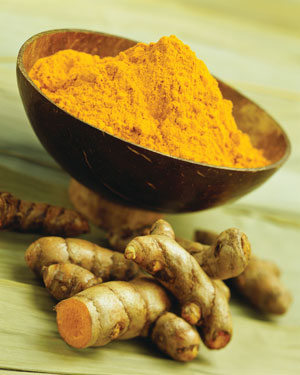
Turmeric, a spice from south Asia belonging to the ginger family, is the main ingredient in curries. Known for its anti-inflammatory and anti-oxidant properties, turmeric has shown promise in treating a variety of conditions. And now researchers at Tel Aviv University have discovered that turmeric’s active ingredient, curcumin, amplifies the therapeutic activity of highly toxic anti-inflammatory drugs used to fight colon cancer when used at high doses.

According to Dr. Shahar Lev-Ari of Tel Aviv University’s School of Public Health at the Sackler Faculty of Medicine, curcumin can fight cancer when used in combination with a popular anti-inflammatory drug, Celecoxib, thus alleviating the inflammatory response caused when cancer takes root in the body. A treatment based on this finding has already had promising results in human clinical trials.

Curcumin increases the anti-cancer and anti-inflammatory effects of Celecoxib while reducing its dose, thus reducing its toxic side-effects, including the rate of heart attack and stroke.

Click here to read more on cancer, inflammation, and what you can do to optimize your health.

SOURCE: Therapeutic Advances in Gastroenterology