Male infertility: can Wi-Fi kill your sperm?

laptopA number of men keep their Wi-Fi-enabled devices on their laps, in their pockets or in close proximity to their nether regions.

But a study has found that using Wi-Fi may decrease a man’s fertility by decreasing sperm motility and increasing sperm DNA fragmentation. The cause is apparently electromagnetic radiation from the wireless communication.

Researchers took semen samples from healthy volunteers and placed them under a Wi-Fi-enabled laptop connected to the Internet. Four hours later, 25% of the sperm were no longer swimming and 9% of them showed DNA damage. In comparison, semen samples that were kept near a laptop that was turned on but not connected to the Internet showed minimal damage.

“Our data suggest that the use of a laptop computer wirelessly connected to the Internet and positioned near the male reproductive organs may decrease human sperm quality,” the authors concluded in the study published in the journal Fertility and Sterility. Another study has indicated that heat generated by holding a laptop on the knees for only 10 to 15 minutes is enough to raise testicle temperatures to sperm-damaging levels.

Environmental factors (pollutants, pesticides, etc.), being overweight or obese, smoking and excessive alcohol have also been shown to lower sperm count.

Click here to learn more about fertility issues. Click here to learn more about Dr. Yik’s Natural Fertility Enhancement Program.

SOURCE: Fertility and Sterility, study published online November 23rd, 2011

Rebuild your immunity- naturally


rebuildGetting sick again and again? Had one too many cold sores lately? Frustrated that your child is catching every bug at school? Here are some ways to strengthen and rebuild your immune system:

1) First things first. Make sure you are getting adequate rest and adequate nutrients. Eat balanced meals with a variety of foods including plenty of vegetables, whole grains, lean protein and good fats. Vitamin C and zinc are two important nutrients that increase T-cells in our bodies. T-cells are part of our immune system which help us fight infection and other foreign invaders. Foods rich in vitamin C include papayas, kiwis, strawberries, dark leafy greens (also a source of calcium), broccoli and bell peppers. Foods rich in zinc include oysters, fortified cereals, lean meats, egg yolks, pumpkin/ sunflower seeds and nuts.

kids2) Probiotics help maintain a strong immune system. Studies show that daily probiotic supplementation increases T-cell count, making you less vulnerable to infections. Since these gut-friendly bacteria are wiped out each time you take antibiotics, it is crucial to replenish your body with probiotics during and after a course of antibiotics. If you are getting adequate amounts of probiotics (from food such as yogurt, kefir, miso, tempeh, etc.) and would like to maintain those levels, consider prebiotic foods. Prebiotics help to stimulate growth and activity of probiotics. Examples of prebiotics include artichoke, asparagus, onion, banana, garlic, leek and larch arabinogalactan. One side note: Different probiotic products contain different probiotic strains (which combat different health issues- gut infections, yeast infections, decreased overall immunity, bloating, allergies, etc.). Consider talking to a trained healthcare practitioner to determine the appropriate probiotic supplement for your individual needs.

kid23) Get your vitamin D levels checked. Vitamin D not only strengthens bones, boosts your mood and decreases inflammation, it can also help reduce infections. Research has suggested that vitamin D supplementation can decrease the frequency and severity of respiratory infections among children. Other studies show that people with adequate vitamin D are less likely to get sick, and when they do, they tend to recover faster compared to those who are deficient. “Vitamin D helps your body produce a protein called cathelicidin that fights bacteria and viruses,” says Carlos Camargo, M.D., an associate professor of medicine at Harvard Medical School. Before you start popping vitamin D supplements, get your levels checked so the correct dosage is given, if needed. Too much vitamin D puts you at a higher risk for kidney stones.

manwoman4) Recurrent infections- colds/ flu, ear infections, herpes/ cold sores, warts, etc.- may be pointing to a stressed system. Mental stress, deep sadness or anger will raise a hormone in our body called cortisol. Elevated cortisol levels will slow down the rate at which immune cells multiply. This leaves us deficient in infection-fighting cells, making us more vulnerable to attack by foreign invaders. Loneliness can also make you more prone to illness. “Lonely people often have high stress levels, which can have a negative effect on the immune system,” says Sheldon Cohen, Ph.D., a psychologist at Carnegie Mellon University. While deep breathing exercises, meditation, massage and other stress-management techniques help to lower cortisol levels temporarily, nutraceuticals and adaptogens may be necessary to restore healthy cortisol levels and rebuild your system. Click here to learn more about unmanaged stress.

5) Do you smoke or drink heavily? Is your body overburdened by toxins or heavy metals? Do you feel that your body is out-of-balance or weaker than it used to be? These factors may prevent your immune system from functioning optimally. 

Dr. Ardyce Yik ND helps adults and children rebuild immunity, naturally. Click here to learn how she can help you achieve and maintain optimal health. Click here to contact Dr. Yik.

Pain, pain and more pain! Fibromyalgia: natural ways to cope

womansadFibromyalgia is a disorder characterized by widespread musculoskeletal pain for at least 3 months accompanied by fatigue. Victims of fibromyalgia experience chronic aches and pains as well as heightened painful sensations on certain tender points of the body.  Some also complain of memory loss, brain fog, sleeping problems, anxiety, depression and digestive ailments. Women are 10 times more likely to get fibromyalgia than men.

Though pain-relief medication and anti-depressants are offered to manage this condition, they don’t work for everyone and a growing number of patients prefer not to rely on drugs for the rest of their lives. So if this is you, what else can you do?

veggies1) Consider this: a study followed fibromyalgia patients who adopted a vegan diet for 3 months. After 3 months, patients reported a 50% in pain, 30% reduction in tender point numbers and almost complete elimination of the need for painkillers. Reasons for these results include increased antioxidant status; bioflavonoids and anthocyanidins found in fruits and vegetables are able to inhibit inflammatory cytokines (chemical messengers) in the body, thus decreasing inflammation and pain.  Arachidonic acid, which comes from meat, eggs and dairy, leads to increased inflammation, so switching to a vegan diet naturally decreases arachidonic acid intake which in turn decreases inflammation and pain.

2) Monosodium glutamate (MSG) and aspartame act as excitatory neurotransmitters and can cause neurotoxicity in certain fibromyalgia patients. Studies show marked improvement in these patients after removing MSG and aspartame from their diet. Since there are over 17,000 chemicals used in the food industry that are questionable and potentially harmful to our health, I advise fibromyalgia patients (and people in general!) to avoid consuming synthetic chemicals, period. Click here to read more on synthetic food chemicals.

3) Add ginger, turmeric, green tea and other high-antioxidant foods to your diet. These decrease inflammatory processes in the body, which help to decrease pain.

4) Fibromyalgia symptoms may begin after a physical trauma, infection or significant psychological stress. In other cases, symptoms gradually increase over time with no single triggering event. Regardless, it is important to manage stress appropriately so it doesn’t have a negative impact on your health. Deep breathing exercises, making time for yourself every day, talking through issues and problems with a trusted person and sessions of massage or acupuncture help many fibromyalgia patients cope better with stress. Light exercise such as walking also helps, but if you’re in too much pain to exercise, try yoga. A 2010 study found that a 2-hour yoga class once a week reduced pain, fatigue and stiffness by 30% in more than half of the fibromyalgia patients who took it.

5) Nutraceuticals such as 5-HTP, chlorella, probiotics, omega-3 fatty acids and Co Q 10 have been found to improve quality of life in fibromyalgia patients. Poor gut (digestive) health fuels inflammation and fatigue, so it’s important to restore healthy digestive function if it is compromised. Talk to your naturopathic doctor about natural medicines, dietary changes and treatments appropriate for your condition. There are natural ways to cope with fibromyalgia.

SOURCES:

1) Kaartinen K, Lammi K, Hypen M, et al. Vegan diet alleviates fibromyalgia symptoms. Scand J Rheumatol 2000;29:308–13

2) Smith et al. Aspartame and MSG cause to painful fibromyalgia symptoms. Ann Pharmacother 2001 Jun; 35(6): 702-6

3) Smith et al. Relief of fibromyalgia symptoms following discontinuation of dietary excitotoxins. Affairs Medical Center, Gainesville, FL, USA.

4) Pain, 2010; 151 (2): 530

Childbirth: making an informed choice best for you and your newborn

baby's footWith the recent baby boom, pregnancy has become a hot topic among those of child-bearing age. And among moms-to-be, the question of how to give birth becomes a prevalent one.

In Hong Kong, women can choose the convenience of a C-section a.k.a. Caesarian surgery.  Perhaps their obstetricians never informed them that giving birth naturally is a viable and safer (in most cases) option. Or perhaps they are keen to bring their newborns into the world at an “auspicious” time (I was quite shocked to learn this fact. The obstetricians apparently charge more for these requests.). And even if they do plan to give birth vaginally, it is assumed that the epidural is a part of every birthing experience. Now, of course, there are cases where medical interventions or emergency C-sections are necessary- and even life-saving. But what about low-risk, otherwise healthy, pregnancies?

Research estimates that up to 95% of women can give birth without the use of medical intervention. Our bodies are naturally equipped to give birth vaginally, and you have a choice to plan for the kind of birth you want to have, especially if your pregnancy is a healthy one. Now you may ask, why in the world would anyone choose a natural birth and endure such excruciating pain when modern medicine offers us alternatives? Shouldn’t we, at the sign of labour, just go to the hospital and let the obstetrician or nurse take charge?

Below are some reasons why more and more women with healthy, low-risk pregnancies are choosing natural birth these days.

1. Mothers want to give their newborn the best.

infant sleepingWhen you give birth naturally, your baby is more able to be alert and can be placed on your skin immediately after birth. The World Health Organization recommends skin-to-skin contact between mothers and babies after birth for the first two hours as this reduces crying, improves mother-infant bonding, and helps mothers to breastfeed successfully. A natural birth allows you to breastfeed immediately and more effectively when compared with mothers who undergo C-sections. More on breastfeeding here.

Studies show that babies born vaginally have fewer respiratory problems. This is because the pressure from moving along the birth canal allows your baby to expel amniotic fluid from the lungs, helping to clear away any blockages so your baby can breathe upon entering the world. This process decreases the risk of TTN (a.k.a. transient tachypnea of the newborn), a form of respiratory distress. TTN is more common in babies born via C-section and in some cases, antibiotic treatment is necessary.

Choosing a drug-free birth means not exposing your newborn baby to potential side effects of drugs, which include respiratory distress, allergic reactions and other complications. There is no baby-proof drug used in the labour room- these medications can and will reach your baby.

A C-section is a major abdominal surgery which involves a wound across the abdomen and the uterus. There is a risk of damage to organs around the uterus, not to mention that babies can also suffer accidental cuts. The risk of infection and blood clots for these mothers is also higher.

2. Mothers are taking their newborn’s future health into consideration.

Leaving a newborn’s umbilical cord intact until it stops pulsating, which is possible when delivering vaginally, allows all the oxygenated blood and nutrients from the placenta to pass to the baby. A study from the Journal of the American Medical Association involving more than 1,900 newborns found that a 2-minute delay in cord clamping reduced the risk of anemia by half and low iron levels in the blood by a third.

Babies delivered vaginally receive protective bacteria as they pass through the birth canal. This bacteria left on the skin thbaby4en colonize the intestines and help to build a balanced immune system. According to experts, babies born by C-section miss out on receiving this bacteria, which may be why they have increased susceptibility to asthma, allergies and gut infections later in life.

During a vaginal birth, the bones of the head go through normal compressions and decompressions while exiting the birth canal, which stimulate the central nervous system. Without this process, imbalances in your baby’s central nervous system may occur, potentially resulting in issues such as colic, respiratory difficulties and sucking problems.

Fetuses and babies can react to signals from their environment. Babies are aware and conscious human beings. Those born via C-section experience a sudden disruption in the natural birthing process biologically programmed in them, and emerging research reveals that this type of birth may be traumatic for the baby who has only very limited coping skills to deal with the situation. Child psychotherapists have linked traumatic aspects of a child’s birth to emotional pain which may come in the form of intensive crying, eating problems and sleeping difficulties.

3. Mothers want a positive birthing experience.

babyandmomGiving birth naturally means you are embracing the birthing process biologically programmed in us. To push your baby through the birth canal and into the world allows you to be in an active participant in the birthing process. This is an empowering experience.

There are natural ways to alleviate the pain and intensity during childbirth. If supported in labour the way they instinctively want to be, mothers are more likely to feel positive about their birthing experience and future parenting skills.

Having listed these substantial benefits, preparation is vital to success. Giving birth naturally is like running a marathon- it involves planning, practice and endurance. In order to achieve your goal, crucial elements such as optimal nutrition, healthy lifestyle habits, birth preparation techniques and emotional health need to be addressed.

The first thing I tell women who have decided on a natural birth is you need to talk to your partner or birth companion about your decision. This person will be your advocate and support during labour. His/ her assurance and encouragement throughout the pregnancy and labour cannot be equaled.

Selecting the appropriate healthcare team comes next. In Hong Kong, a common misconception is that obstetricians and natural healthcare practitioners (NHP) are mutually exclusive. The fact is, you are getting the best care when you seek help from a NHP such as a naturopathic doctor for proper nutrition, management of physical discomfort and preparation for childbirth while continuing regular check-ups with your obstetrician.

Imagine being able to minimize potential physical causes of labour pain through diet, exercise and certain postures. It’s possible! Many pregnant women notice a decrease in aches and pains after certain nutritional changes, appropriate stretching/ exercise and adopting proper posture during pregnancy. For women planning a natural birth and in their second or third trimester, I actually encourage them to get into certain positions or postures during their visit with me! These positions and postures not only stretch and tone the body parts involved in labour, but they also minimize discomfort during labour and allow the process of labour to proceed more smoothly.

Many pregnant women tell me that their obstetrician often doesn’t have time to answer all their questions. During each visit, I allow enough time for you to ask your questions (e.g. “Should I really be avoiding sushi?”). We also talk about care during pregnancy, like natural remedies for common ailments/ colds/ flus, and care after birth, like what foods to eat to promote a healthy recovery, natural alternatives to mastitis and yeast infections, ways to improve immunity for mother and baby, etc. We also discuss expectations around childbirth, the impact of a new addition to the family, as well as ways to work out any fears you may have.

FamilyBabyLast but not least, let’s not forget about the baby! Studies have shown that what you eat (or not eat) during pregnancy can have a huge impact on the baby’s health- including brain development, visual acuity and the potential to develop allergies/ asthma. During your visit, I will discuss with you how to give your baby the best head start to health- starting in the womb!

Whether you are planning a pregnancy or currently pregnant, I encourage you to learn your options and to make an informed choice that is best for you and your newborn. Click here to learn more about the pregnancy/ prenatal care I offer.

References:
1. Gaskin, Ina May (2003). Ina May’s Guide to Childbirth. New York, New York: Bantam Dell, a Division of Random House.

2. J Pediatr Gastroenterol Nutr. 1999 Jan;28(1):19-25. Fecal microflora in healthy infants born by different methods of delivery: permanent changes in intestinal flora after cesarean delivery.

Childhood bullying: more harmful than you think

girls soccerA new study reveals that children exposed to bullying during childhood are more likely to develop psychiatric disorders in adulthood, regardless of whether they are victims or perpetrators.

The research team examined the victims of bullying, the bullies themselves, and those who fall into both categories.

While victims of bullying were more likely to develop agoraphobia (abnormal fear of crowded or public spaces), general anxiety and panic disorder in young adulthood, bullies showed a tendency to develop an anti-social personality disorder. Men who were both bullies and victims were 18.5 times more likely to have suicidal thoughts in adulthood compared to those who had not been bullied or perpetuators. Their female counterparts were 26.7 times more likely to develop agoraphobia.

“Bullying simply cannot be seen as a harmless, inevitable part of growing up,” Professor Dieter Wolke of the University of Warwick concludes. “Bullying can be easily assessed and monitored by health professionals and school personnel… Understanding the impact of bullying on both the individual, whether victim or perpetrator, and on society as a whole, means we must promote (such) interventions to help reduce human suffering and provide a safer environment for children to grow up in.”

Some tips for parents:

1) Teach your children early on what is inappropriate behaviour (e.g. pushing, teasing, being mean to others) as well as appropriate behaviour (e.g. taking turns, empathizing, sharing, etc.).

2) Do your children know how to recognize bullying? Bullying isn’t just physical violence. Bullying includes threatening someone, laughing at them, starting nasty rumours about them, taunting them or not letting them hang out with you or your friends. Children need to know from a young age that it is not OK or tolerable for them to bully, be bullied, or stand by and watch other kids be bullied.

3) If your children are being bullied (or see someone being bullied), they can tell you or a trusted adult (e.g. teacher) until they get help. They can also stop, ignore the bully and walk away. Sometimes they will need to avoid the bully by sitting away from the bully in class or taking an alternate route home.

4) As parents, talk with and listen to your children everyday. Ask questions about their school day, including experiences on the way to and from school, lunch, and recess. Ask about their peers. Children who feel comfortable talking to their parents before they are involved in bullying are more likely to get them involved after.

5) Be a good role model. If your children hear you talking in a mean or abusive way (to waiters, other drivers, domestic helpers, etc.), they will think it is OK. Set a good example for your children.

6) If your child is suddenly doing poorly in school, withdrawing from activities or people, having trouble sleeping and/ or complaining of physical ailments, it is important to find out the underlying cause. If these are the effects of being bullied (or bullying), seek appropriate professional help.

SOURCE: University of Warwick (This study was published in Online First by JAMA Psychiatry)

Study: Advanced cancer cells more susceptible to grape seed extract

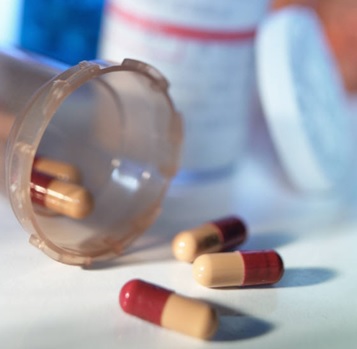
pillsA recent study from the University of Colorado Cancer Center published in the journal Cancer Letters shows that the more advanced the cancer cells, the more grape seed extract (GSE) inhibits their growth and survival. Compared to chemotherapy, GSE leaves healthy cells entirely alone.

“We’ve known for quite a while that the bioactive compounds in grape seed extract selectively target many types of cancer cells. This study shows that many of the same mutations that allow colorectal cancer cells to metastasize and survive traditional therapies make them especially sensitive to treatment with GSE,” said Molly Derry, doctoral candidate at the cancer center. Since 60% of patients diagnosed with colorectal cancer are usually in a more advanced stage of the disease, “finding a way to selectively target advanced colorectal cancer cells could have major clinical importance.”

Generally, it takes more chemotherapy to kill a stage IV cancer cell than a stage II cancer cell, but in the study, researchers saw that the reverse was true with grape seed extract- less than half the concentration of GSE was required to suppress cell growth and kill 50 % of stage IV cells compared to stage II cells.

Another advantage of GSE is that it targets colorectal cancer through inducing oxidative stress, which leads to programmed cell death known as apoptosis. “A colorectal cancer cell can have upwards of 11,000 genetic mutations – differences from the DNA in healthy cells. Traditional chemotherapies may only target a specific mutation and as cancer progresses more mutations occur. These changes can result in cancer that is resistance to chemotherapy. In contrast, the many bioactive compounds of GSE are able to target multiple mutations. The more mutations a cancer presents, the more effective GSE is in targeting them,” Derry reported.

Grape seed extract is an antioxidant (i.e. a nutraceutical that helps protect your cells from damage caused by free radicals). If you are interested in an integrative approach to preventing or treating cancer, talk to your naturopathic doctor today.

SOURCE: University of Colorado Denver

Gingerbread, mistletoe… and headaches?

IMG_4083The holiday season is here and while it is an exciting, joyous time for most people, doctors say that reports of headaches and migraines are typically higher during this period. This is probably due to the increased stress levels associated with the busy and bustling season.

Though headaches may be common, it’s important to figure out and address the underlying cause before they become a chronic nuisance.

Headaches stem from a variety of causes including dehydration, sensitivities to food or chemicals (such as MSG), stress or muscular tension, hormonal imbalances, infections, toxic overload and problems of the jaw, eye, ear, nose, and throat.

If you are suffering from headaches, you may consider the following:

1) Get tested for food sensitivities (or food intolerances). Food sensitivities are different from food allergies in that they do not produce the classic allergic reaction (i.e. swollen eyes or lips, hives, anaphylactic reaction, etc.) but rather the symptoms come in a more subtle form. People with food sensitivities may experience bloating, diarrhea, skin ailments such as eczema, foggy brain, chronic nasal congestion and headaches after eating foods they are sensitive to. Food sensitivities can be revealed by a simple blood test.

2) If the headaches stem from muscular tension, try doing neck and shoulder stretches to alleviate the tension. If you work in front of a computer, do these stretches at least once every 45 minutes. Stretching improves circulation, increases blood flow to muscles as well as energizes the body and mind.

sad3) Specific acupuncture points can also help alleviate headaches due to stress and muscular tension.

– GV 20 (Bai Hui) helps with stress management, alleviating headaches and boosting energy. This point is located at the highest point, at the top of your head.

– GV24.5 (Third Eye), the point between your eyebrows where the bridge of your nose meets your forehead, also alleviates headaches and promotes relaxation.

Gently press these acupuncture points for 5 seconds. Release the pressure for 5 seconds, and then repeat 10 times. Do these acupressure exercises in a relaxing environment, and take slow, deep breaths at the same time.

4) Keep hydrated with proper fluids. Fluids that hydrate include water, herbal teas and fruit/ vegetable juices. Try to avoid dehydrating drinks. Black tea, coffee and cocoa are quite high in purines, toxins that must be eliminated from the body by urine or sweat in the form of uric acid. A good portion of water is used to eliminate these toxins. Soft drinks and alcohol also have dehydrating properties, making you more thirsty after drinking them.

5) Some people who pass by perfume counters at the department stores may immediately feel unwell. Perfumes contain many chemicals which have toxic effects. Toluene (i.e. methyl benzene), which is often found in perfume and cologne, is an established neurotoxin that can cause headaches, memory loss, brain damage and problems with speech, hearing, and vision. If you are prone to headaches, avoid the perfume counters and perfume stores at the shopping malls. 

If your headaches are not alleviated by these simple measures, talk to your naturopathic doctor who can help you further investigate the problem.

Study: Swimming boosts young children’s development

Children who start swimming at a young age achieve a wide range of skills earlier than the normal population, a new study finds.

Researchers at Griffith University surveyed parents of 7000 children under 5 from Australia, New Zealand and the United States. They also further tested 180 children aged 3, 4 and 5 years on cognitive and physical developmental milestones, making this particular study the world’s most comprehensive one into early-years swimming to date.

Young swimmers were found to reach cognitive and physical milestones earlier than the norm.

“Many of these skills are those that help young children into the transition into formal learning contexts such as pre-school or school. The research also found significant differences between the swimming cohort and non-swimmers regardless of socio-economic background,” Professor Robyn Jorgensen, who led the study, notes.

She and her team also found there were no gender differences between the research cohort and the normal population.

In addition to achieving physical milestones faster, the young swimmers also scored significantly better in visual-motor skills such as cutting paper, drawing lines and shapes, colouring them in and other mathematically-related tasks. Their oral expression, literacy and numeracy were also better.

Remember to encourage your children to engage in physical activity and sports that promote hand-eye and physical co-ordination, which boost not only agility and athleticism but also academic performance and attitudes on learning.

SOURCE: Griffith University

Birth control pills Yasmin, Yaz linked to blood clots, strokes, death: 11,000+ lawsuits

Close to 12,000 lawsuits have been filed against the maker of oral contraceptives, Yasmin and Yaz. These drugs have been found to increase the risk of blood clots that can lead to heart attacks, strokes and death. As of July 31, 2012, Bayer, the maker of these oral contraceptives, has paid more than US$402 million in Yasmin lawsuit settlements to women who suffered the drug’s serious side effects, including pulmonary embolism and deep vein thrombosis.

Yasmin is one of North America’s top-selling birth control pills. Many of my patients in Hong Kong have also been prescribed this drug, or its sister/ generic pill Yaz, Beyaz, or Ocella.

The FDA has since warned that oral contraceptives such as Yasmin or Yaz containing the hormone drospirenone increase the risk of blood clots by 74% compared with older pills on the market. Women who smoke and are over the age of 35 should avoid these drugs, as smoking further increases the risk of side effects.

These drospirenone-containing pills have been linked to the following:

– Stroke

– Pulmonary embolism

– Deep vein thrombosis

– Heart attack

– Gall bladder disease

If you are currently taking one of these birth control pills and have questions or concerns, talk to your medical health care provider.

SOURCE: Bloomberg News (http://www.bloomberg.com/news/2012-04-26/bayer-yasmin-lawsuit-settlements-climb-to-142-million.html); Business Week News (http://www.businessweek.com/news/2012-07-31/bayer-s-yasmin-lawsuit-settlements-rise-to-402-dot-6-million)

(Anti) aging naturally- part 2

In the previous post, (Anti) aging naturally- part 1, telomeres and their role in biological aging were discussed. Telomere shortening or dysfunction has been linked with the development of diseases, including cardiovascular illness, cancer, Alzheimer’s disease and Parkinson’s disease. But just as there are factors that speed up the shortening of telomeres, researchers have found there are also ways to preserve the length of telomeres, thus promoting longevity.

Consider the following:

1) Telomere length is influenced by nutritional status. Well nourished mothers help ensure optimal telomere length in their babies, while malnourished mothers do the opposite. This reiterates the importance of ensuring optimal health prior to becoming pregnant or becoming pregnant again.

2) Folate is an important vitamin required for DNA synthesis and repair. It helps form the building blocks of DNA, and is an essential nutrient recommended to women of child-bearing age. A study from The Journal of Nutrition found that men with the highest levels of folate in their blood had the longest telomeres when compared to those with the lowest levels.

3) A study looking at 2,100 female twins has found that higher vitamin D levels in the body are associated with longer telomere length. The highest levels of vitamin D were associated with the longest telomeres, while the lowest vitamin D levels were associated with the shortest telomeres, a difference equal to 5 years of lifespan potential. But before you go and buy vitamin D supplements, speak to your naturopathic or medical doctor about having your vitamin D levels tested. Too much vitamin D may cause kidney stones and other ailments. It’s necessary to know your status so the appropriate dosage can be prescribed. Click here to learn more about vitamin D deficiency.

4) Intense, unmanaged stress can cause rapid, premature aging. Of course, we all experience stress in some form each day, but what happens when we are chronically under loads of pressure? People are often dealing with long work hours, school or work pressure, frequent air travel, and relationship issues. Some may face a life crisis, long illness or continuing difficult situation. These people quite frequently complain of similar ailments: low energy or burn-out, irritability, poor or unrestful sleep, premature grey hair, hair loss, anxiety, sudden food intolerances or allergies, etc. Is there any way to address these symptoms and help the body adapt to stressful factors while minimizing the damage from these factors?Adaptogens, which increase our ability to deal with stress and exhibit stress-protective activity, are the answer. Examples of adaptogens include medicinal herbs such as Rhodiola, Schisandra and Siberian Ginseng.  If you are experiencing chronic or intense stress, ask your naturopathic doctor which adaptogens are appropriate for you. These, taken at the right dosage for your individual constitution, can help combat the ill effects that stress is putting on your body.

SOURCE: http://www.ncbi.nlm.nih.gov/pubmed/21793842http://jn.nutrition.org/content/139/7/1273.abstracthttp://ajcn.nutrition.org/content/86/5/1420.full