 Gluten-free foods, gluten-free menu options… Gluten-free choices are everywhere nowadays, but does it mean you should go gluten-free?
Consider the following:
- If you’ve got celiac disease, then going gluten-free is necessary. Celiac disease is an autoimmune disorder in which the immune system attacks gluten (a protein found in wheat, barley, rye and other grains). Eating gluten or gluten-containing foods will lead to gut inflammation and destruction of the intestinal tract (in addition to debilitating pain and anemia). This condition can be life-threatening if left untreated. Celiac disease affects about 1 percent of the population.
- Some people feel unwell after eating foods which contain gluten. Some patients tell Dr. Yik that prior to removing gluten from their diet, they felt tired, bloated, depressed, they had headaches, they suffered from skin ailments, etc. but once they cut gluten out, the symptoms disappeared. Others say that reducing gluten correlates with feeling better or losing weight. For these people, they may have a gluten/ wheat allergy OR gluten intolerance. Click here to read about the difference between a food allergy or food intolerance.
 If your lab tests are negative (i.e. you don’t have the above conditions), and you still suffer from unpleasant symptoms after eating wheat products, then you may have what’s called non-celiac wheat sensitivity. Many of Dr. Yik‘s patients fall into this category. Medical doctors may be dismissive after seeing that the patient has neither celiac disease nor a gluten or wheat allergy/ intolerance. But the symptoms you experience are real and research presented at United European Gastroenterology Week 2016 in mid-October may shed some light on why you feel unwell. Dr. Detlef Schuppan (who holds faculty positions at Johannes Gutenberg University and Harvard Medical School) and his team have revealed that another protein found in wheat, called ATIs (amylase-trypsin inhibitors), contributes to non-celiac wheat sensitivity. ATIs appear to cause inflammation. This inflammatory reaction can also worsen chronic conditions, such as multiple sclerosis, asthma, Crohn’s disease, ulcerative colitis, rheumatoid arthritis, etc. So, for people who fall into this category, avoiding gluten and wheat are crucial to better health.
- What if I just want to go gluten-free…? Data from the Rutgers New Jersey Medical School found that while the prevalence of celiac disease remained fairly stable over 2009 to 2014, the number of people who followed a gluten-free diet without having celiac disease more than tripled.
 Perhaps this surge is due to what I’ve explained in #2 and #3. Or perhaps people have read the recent bestseller books in which the authors argue that gluten and carbohydrates are at the root of Alzheimer’s disease, anxiety, depression, and ADHD. Or maybe some people have jumped onto the gluten-free bandwagon just to follow a trend. If you fall into this group, here’s some food for thought:
- Whole grains are an important source of B vitamins, fiber and minerals like iron, zinc and magnesium. For the average person who doesn’t have wheat or gluten issues, it’s not necessary to consume only gluten-free foods. As with all things, moderation is key.
- A significant number of people think that gluten-free food products are healthier but often times, they’re not. Gluten-free products and snacks may contain more sugar and fat to make them taste better, so be sure to check the ingredient labels.
If you feel unwell or if you have conditions (e.g. eczema, psoriasis, seborrheic dermatitis, migraines, headaches, etc.) that flare up after eating gluten or wheat products, you should get tested. For a holistic approach, find a licensed naturopathic doctor who can help you investigate root causes and navigate through appropriate treatment options to restore proper function of your digestive and immune systems.
SOURCES:
http://www.health.harvard.edu/blog/to-gluten-or-not-to-gluten
http://www.beyondceliac.org/celiac-disease/non-celiac-gluten-sensitivity/
 Sometimes, pharmaceutical antibiotics are necessary to eradicate bacterial infections. While most side effects such as diarrhea, vomiting, nausea, etc. aren’t serious, some of the stronger antibiotics do come with a risk of more severe side effects. When taking pharmaceutical antibiotics, here are some things to consider:
 Are antibiotics absolutely necessary? Are there alternatives? In some cases, antibiotics are needed. In others, there are alternatives. In 2013, the American Academy of Pediatrics released a set of guidelines on how to treat ear infections, recommending that doctors adopt a “wait and see” approach in most cases, and only to prescribe antibiotics if the child’s condition doesn’t improve within 2 days (
 Anyone with menstrual cramps knows how dreadful getting your period can be. Dysmenorrhea (the medical term for menstrual cramps/ painful menstruation) can be intense at times and can radiate to the thighs or lower back. In some women, it may even cause nausea, dizziness and vomiting. If you experience severe pain, see a healthcare practitioner to rule out underlying causes of menstrual cramps. Underlying causes of menstrual cramps include endometriosis, uterine fibroids, adenomyosis and pelvic inflammatory disease. A licensed naturopathic doctor trained in functional medicine can help to investigate the underlying factors triggering or exacerbating dysmenorrhea.
 White peony, Glycerrhiza (licorice), Bupleurum and Angelica (dang gui) are some of the more popular Chinese herbs used to alleviate menstrual cramps. They work by alleviating spasms (i.e. relaxing the uterine muscles), promoting circulation and reducing inflammation. These medicinal herbs are often blended together or with other herbs for synergistic effects. Formulas are tailor made to suit each individual’s needs and constitution. There is rising concern that many herbs sourced from China are contaminated with pesticides, heavy metals and other toxic chemicals. In her practice,
  3.
3.  It’s back-to-school season again, and with it come a variety of issues that parents and kids face. Here are a few of the most common concerns that arise at the beginning of the school year:
 WHAT TO DO: While an appropriate level of competition and extracurricular participation can be beneficial, be on the lookout for over-scheduling. Over-scheduled kids may feel tired or anxious/ depressed, complain of stomachaches or digestive issues (a common complaint found in
  Lastly, as parents, ask yourselves, why is your child doing this activity or participating in this event? Is it to foster self-discipline, sportsmanship, creativity, etc.? Or are you trying to “keep up with” or “out do” your neighbour? If your answer is the latter, you may be contributing to the excessive pressure your child feels. Too much stress over a period of time may cause the child to suddenly become unmotivated or even burn out, which then becomes another common problem seen in kids who’ve been pushed too much, too early.
 2. NUTRITION: Whether or not their child is getting enough nutrients for optimal growth and development is a common parental concern when school begins. Some parents may find that their child’s appetite plummets around this time. Others are dismayed when they find their child’s lunch box or thermos still half full after school. Inadequate nutrition or excessive junk food can lead to decreased immunity (i.e. more sick days), lower school scores (e.g. iron deficiency is the most prevalent hematologic disorder in childhood and it’s linked to lower school scores.
  WHAT TO DO: Discuss with your child his/ her meal routine and for the older child try to accommodate to his/ her food preferences- within healthy and reasonable range. Explain to them the importance of eating healthy. Pack extra (healthy) snacks and prepare a healthy after-school meal for them to come home to. Avoid buying junk food and be a good role model for your kids.
 Melatonin is useful in treating jet lag, sleep problems, seasonal affective disorder (SAD) and controlling sleep patterns for people who work night shifts. Melatonin is also helpful for patients with chronic fatigue syndrome and fibromyalgia by improving sleep and reducing pain. Some research studies have demonstrated the role of melatonin in protecting healthy cells during cancer treatment, reducing the side effects of chemotherapy as well as slowing the development of cancer cells.
 1) Minimise use of bright lights from around 7pm onwards. Once it gets dark outside, your pineal gland begins to produce and secrete melatonin. Continuously being exposed to light during the evening will affect melatonin levels and sleep. One study showed that melatonin was suppressed in preschool children who were exposed to bright light in the evening. In the study, one hour of bright-light exposure in the evening suppressed the children’s melatonin secretion by around 90% and these levels remained suppressed for up to 50 minutes after light exposure. This study was presented in June 2016 at the SLEEP 2016: 30th Anniversary Meeting of the Associated Professional Sleep Societies.
 It is estimated that about one in seven couples faces difficulty conceiving. If you’ve been having regular unprotected sex for more than 12 months (or less, if you’re over 35) and you’re still not pregnant, you may begin to wonder if you have a fertility problem. While people think that most fertility problems involve the woman, around 40% of infertility cases are actually attributed to the male partner. Male infertility can stem from a variety of reasons including low sperm count, abnormal sperm shape (morphology), suboptimal movement (motility) and/ or function. And with up to a fifth of young men in the UK being diagnosed with low sperm count, many couples may wonder, what affects sperm health?
 A 2015 Harvard study revealed that men who ate fruits and vegetables with higher levels of pesticide residues (e.g. strawberries, spinach, peppers) had lower sperm counts and lower percentages of normal sperm than those who ate produce with lower pesticide levels.
 per day had worse quality
 Obesity can reduce fertility by lowering testosterone levels (greater fat storage can end up turning testosterone into the female hormone estrogen, leading to a slowing or cessation of sperm production), directly raising testicular temperature due to extra insulating fat tissue and increasing the risk of erectile dysfunction.
 In October 2015, the International Agency for Research on Cancer (IARC), the cancer agency of the World Health Organization, classified processed meat as a carcinogen, something that causes cancer. A report released by the American Institute for Cancer Research and the World Cancer Research Fund in April 2016 also concluded that eating processed meat can increase the risk of developing cancer.
 The study involved over 160 patients who were already being treated for chronic heart failure using treatments such as beta-blockers, ACE-inhibitors and pacemakers. Chronic heart failure occurs when the heart is unable to pump enough oxygen-rich blood around the body to support other organs. Around 50% of people diagnosed with the condition die within 5 years of diagnosis. This study was presented at the American College of Cardiology 65th Annual Scientific Session & Expo, in April 2016.
 Did you know, a recent study showed that children given vitamin D daily were less likely to catch the flu (influenza A)? And that children taking probiotics were half as likely to develop eczema (atopic dermatitis) than those who didn’t? How can parents empower their child to stay healthy into their adolescent years (and beyond!) and reduce the chances of their child turning to alcohol and drugs? Read on to find out how you can support your child’s health… naturally!
 Vitamin D plays a very important role in supporting the immune system. “Vitamin D helps your body produce a protein called cathelicidin that fights bacteria and viruses,” says Carlos Camargo, M.D., an associate professor of medicine at Harvard Medical School. Other studies show that people with adequate levels of vitamin D are less likely to get the flu, and when they do, they tend to recover faster compared to those who are deficient. In
  3. NURTURING RELATIONSHIPS: As a parent, your capacity to love and nurture your child is an important variable in predicting positive developmental outcomes. Studies show that parents who are attentive, non-restrictive and warm foster intellectual development and positive social behaviours in their children.
 4. IRON: Iron deficiency is the most prevalent hematologic disorder in childhood- and it’s linked to lower school scores! One study found that iron-deficient school-aged children and adolescents (including those with iron deficiency without anemia) had lower standardized math scores compared with those without iron deficiency. Iron stores in the body are often depleted during a period of accelerated growth. Adolescent girls may be more susceptible to iron deficiency due to poor dietary intake and heavy menstrual blood loss. An iron deficiency is associated with the following symptoms:
 Some people think the terms “food allergy” and “food intolerance” are interchangeable, or variations of the same thing. However, the biological processes behind them, how they affect you and hence forms of treatment are markedly different.What’s the difference between a food allergy and a food intolerance?
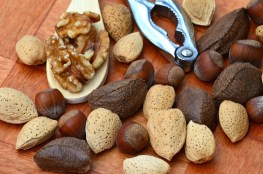 FOOD INTOLERANCE: A food intolerance usually involves a physical or biological reaction to the food/ food ingredient it mistakenly considers as a threat. This immune response is not life threatening. One form of intolerance is delayed onset food intolerance, which may affect digestion, skin, joints, energy levels and weight.
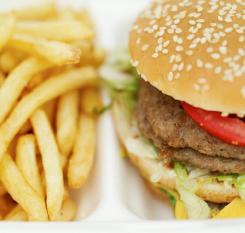 For example, if you have an intolerance (food-specific IgG reaction) to gluten, your body produces an inflammatory response to gluten proteins, and the reaction may manifest as bloating, acne, etc. after ingesting gluten or gluten-containing foods (Note: this is different from Celiac Disease, an autoimmune disorder where ingestion of gluten leads to damage in the small intestine). Another example: If you have an intolerance to dairy, your eczema may flare up every time you drink cow’s milk or eat cheese (Note: this is different from lactose intolerance, a condition where you lack the enzyme lactase to break down the milk sugar, lactose).
 If you experience immediate reactions, such as hives, after eating certain foods/ drinks, then you most likely have a food allergy. But if you have any of the above symptoms and cannot quite pinpoint which foods, if any, may be triggering your symptoms, then you may benefit from getting a food-specific IgG test done.
 Dr. Ardyce Yik ND