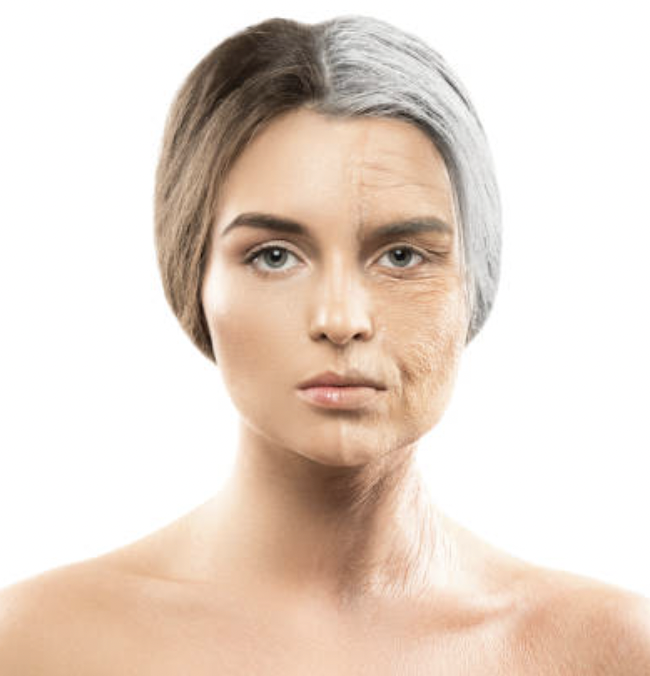
Hong Kong has one of the world’s highest life expectancies. Experts give these reasons.

Hong Kong’s life expectancy has seen a steady increase over the past half-century. Since 2010, both women and men in Hong Kong have attained the world’s highest life expectancy, but saw a dip during and after the Covid-19 pandemic. According to Worldometer, the life expectancy for men and women in Hong Kong stands at 82.97 years and 88.26 years respectively, in 2024. 

So, what’s the secret behind Hong Kong’s high life expectancy? Here are some interesting points:

  1. Some experts point to the healthy diet here, which basically consists of grains (rice) with fish, vegetables and meat chopped up into dishes for sharing, rather than eaten as whole portions. Even Hong Kong desserts are healthy, often made of nuts, tofu or beans, fresh fruit and sesame seeds.
  2. Hong Kong is one of most densely populated regions in the world. Living in densely populated apartment blocks may also help extend elderly Hongkongers’ lives since there is less room for loneliness and social isolation, which public health experts say can be as damaging to health as smoking 15 cigarettes a day. Furthermore, Hong Kong provides easy access to public transportation and proximity (often walking distance) of restaurants, parks and public facilities. The city ranks first for “enabling environments,” which facilitates a better quality of life.
  3. In 2017, Stanford University published a study called the Activity Inequality Project. It analyzed mobile phone data from 111 countries and discovered that Hongkongers topped the list in walking. The average Hongkonger takes 6,880 steps per day, which is roughly 2,100 more than the average American.
  4. Tobacco control has helped Hongkongers live longer, according to a recent Lancet study. Researchers concluded that Hong Kong’s longevity is attributed to the lowest mortality of cardiovascular diseases in both men and women, and these low mortality rates are, in turn, due to Hong Kong having one of the world’s lowest smoking prevalences. “Successful tobacco control has allowed Hong Kong’s life expectancy to exceed populations around the world. This is an important finding to potentially save the largest number of lives in Hong Kong and worldwide, precisely because the policy solutions are well rehearsed and directly attributable to longevity,” said Professor Gabriel Leung, Dean of Medicine from The University of Hong Kong.
  5. Hong Kong is a relatively safe city. It is ranked the 8th safest city in the world. Its geographical location with a subtropical climate does not give rise to frequent extreme weather. It also boasts a public healthcare system, where older residents receive priority for hospital care and most care is paid from taxation.
  6. It is estimated that 70% of Hong Kong residents over the age of 70 were born in mainland China and came to Hong Kong in search of better opportunities. Studies show that these residents are physically and psychologically stronger than their counterparts remaining on the mainland. In the early 1960s and ’70s, Hong Kong saw an influx of highly motivated individuals move to the territory. These individuals have contributed to the aging of Hong Kong’s population over the last 20 years. Their healthy active lifestyles have helped them achieve a long life expectancy.

Longevity is not only about lifespan, but also healthspan. Click here to read health tests you should get if you are between ages 40 and 60, according to health experts.

SOURCES: https://www.med.hku.hk/en/news/press/20210906-hk-longevity-tobacco-control

https://www.worldometers.info/demographics/life-expectancy/#google_vignette

https://www.scmp.com/news/hong-kong/society/article/3146874/hong-kong-eighth-safest-city-world-overall-ranks-badly-when

https://www.aarp.org/health/healthy-living/info-2021/hong-kong-longevity.html

Not all sleep is restorative. Learn why and tips for more restful sleep.

Restorative sleep happens when brain activity during sleep helps restore your body and mind, fundamentally resetting you for another day of activity. When you wake up from restorative sleep, you feel well rested and ready for the day.

Sleep is non-restorative when you wake up feeling unrefreshed despite having slept 7 to 9 hours of sleep per night, the recommended number of hours for adults. For children aged 6- to 13-year-olds, 9 to 11 hours per night is recommended and for 14- to 17-year-olds, 8 to 10 hours.

Not getting enough restorative sleep can affect your health, mood and energy, not to mention your ability to function during the day. Being deprived of restorative sleep can lead to short-term memory loss and brain fog, impaired decision-making and the tendency to make errors. This, in turn, affects intellectual performance and can harm academic achievement and productivity at work. Some people may drink coffee or caffeinated beverages to help them get through the day, but this is merely a Band-aid solution, and furthermore, consuming too much caffeine may disrupt cortisol levels (see below).

What causes non-restorative sleep?

  • insomnia
  • stress and chronically elevated cortisol levels
  • anxiety or other mood disorders
  • hormone imbalances
  • chronic fatigue syndrome
  • restless leg syndrome
  • sleep apnea
  • jet lag or shift work
  • chronic pain
  • sleep disruptions due to young children, hot flashes, urge to urinate, etc.
  • poor sleep hygiene

Do you suffer from non-restorative sleep? Looking for ways to improve your sleep? Whether it’s anxiety, unprocessed stress, an overactive mind, hot flashes waking you up or hormone imbalances, Dr. Ardyce Yik can address the root causes of non-restorative sleep and prescribe evidence-based nutraceuticals to help you get the rest you need. Below are some ways to help you body get ready for a night of restorative sleep. If you’ve tried everything below but to no avail, it’s time to look deeper. Click here to contact Dr. Yik.

What can we do to combat poor sleep hygiene and promote a good night’s sleep?

Nearly 40% of Hong Kong Chinese adults suffer from insomnia.
  1. Avoid looking at bright screens beginning two to three hours before bed. 
  2. Avoid foods or beverages containing caffeine at least 6 hours prior to bedtime. Caffeinated foods and beverages include coffee, black tea, green tea, chocolate, energy drinks and soft drinks/ soda.
  3. Expose yourself to bright light during the day. Minimise use of bright lights in the evening. Once it gets dark outside, your pineal gland begins to produce and secrete melatonin, a hormone which controls your sleep-wake cycle. Continuously being exposed to light during the evening will affect melatonin levels and sleep. One study showed that melatonin was suppressed in preschool children who were exposed to bright light in the evening. In the study, one hour of bright-light exposure in the evening suppressed the children’s melatonin secretion by around 90% and these levels remained suppressed for up to 50 minutes after light exposure.
  4. Sleep in total darkness. Do not use night lights. Get black-out blinds if you need to. Any light during sleep will disrupt your body’s melatonin production and stimulate the production of cortisol, a stress hormone, which has the opposite effect of melatonin.
  5. Go to bed and get up at the same time every day. When you have a regular routine, your body will learn when to wind down in the evening to prepare for sleep. Going to bed and getting up at the same time every day will help to establish a proper sleep-wake cycle.

 Click here to read more tips on how to get better sleep, naturally.

SOURCE: https://www.ncbi.nlm.nih.gov/pmc/articles/PMC6616396/

Why you’re gaining weight- 6 hidden causes

Finding it difficult to lose weight? There could be underlying reasons preventing you from losing weight. Dr. Ardyce Yik ND has helped many people lose weight successfully by addressing the underlying causes of weight gain or sluggish weight. In her practice, here are 6 of the top reasons why people can’t lose weight on their own:

  1. SIBO. Small Intestinal Bacterial Overgrowth (SIBO) is a condition where there is the presence of excessive bacteria in the small intestine. The overgrowth of bacteria in the small intestine in SIBO can cause bloating, digestion problems as well as promote inflammation and contribute to metabolic dysfunction, all of which can lead to weight gain. Dr. Yik at IMI clinic offers SIBO testing, which is a simple breath test. Click here to read more about SIBO.
  2. Food Intolerances. Do you notice weight gain, bloating or fluid retention after eating certain foods? If so, it could be a food intolerance preventing you from losing weight. Other symptoms associated with food intolerances include digestive problems, fatigue, eczema, mild depression, aches and pains. Some people are able to lose up to 3 kg just by avoiding the foods they are intolerant to. Dr. Yik offers food intolerance testing for patients who suspect that food reactions play a role in their weight gain. Click here to read more on food intolerances.
  3. Hormonal Imbalance. Do you eat very little, have a small appetite but are still gaining or struggling with weight? Your thyroid hormones may be out of balance. Your thyroid regulates your metabolism, so it plays a key role in weight management. Do you feel bloated or gain weight before menstruation? Are you in your 40s or 50s and cannot lose weight no matter what you do? It could be the effects of menopause (for women) or andropause (for men). Get help from a healthcare practitioner who is trained in helping people rebalance hormones and get their bodies back on track.
  4. Stress. Cortisol is a stress hormone released by the body to deal with stress. High levels of chronic stress can lead to high levels of cortisol in the body, and one of the effects of elevated cortisol levels over a period of time is fat deposition in the abdominal (tummy) region. If you face chronic stress and notice your waistline expanding, elevated cortisol could be the culprit. Cortisol levels can be properly balanced and restored by botanical medicine, nutraceuticals, nutritional therapy and stress management techniques under the guidance of a licensed naturopathic physician.
  5. Toxic Overload. In 2006, American scientists coined the term “obesogens” to denote a group of foreign chemical compounds that disrupt normal development and balance of lipid metabolism. Obesogens act by hijacking the regulatory systems that control body weight, which in some cases can lead to obesity. Click here to read more on obesogens and what you can do to reduce obesogen exposure.
  6. Emotional Eating. Do you crave certain foods under stress or when you feel down? Maybe you feel you must have chocolate every evening. Perhaps you cannot put that bag of chips down until you finish it. Or you eat a lot when you are under stress or upset. If so, you may be struggling with emotional eating. Emotional eaters often feel powerless over their food cravings. Dr. Yik is experienced in helping patients practise mindful eating, as well as regain control over both food and your feelings. She can also address pre-existing conditions like anxiety, depression or blood sugar imbalances.
weight

Dr. Yik is dedicated to helping each patient get to the root cause of their health condition or concern. She is in charge of the Weight Loss program at IMI clinic in Hong Kong. To successfully lose weight, you need not only a suitable diet and regular exercise but also to ensure that underlying hidden causes are addressed. Contact Dr. Yik today to see how she can help you attain your weight goals and become a healthier you.

SOURCE: The New American Diet: How secret “obesogens” are making us fat, and the 6-week that will flatten your belly for good! (Authors: Stephen Perrine with Heather Hurlock))

Harvard researchers: billions worldwide are deficient in essential micronutrients critical to human health

More than half of the global population does not consume adequate levels of micronutrients essential to health, including iron, calcium, and vitamins C and E, according to a Lancet study published in August 2024 by researchers at Harvard T.H. Chan School of Public Health, UC Santa Barbara, and the Global Alliance for Improved Nutrition (GAIN).

It is the first study to provide global estimates of inadequate consumption of micronutrients critical to human health. The 15 micronutrients tested were calcium, iodine, iron, riboflavin, folate, zinc, magnesium, selenium, thiamin, niacin, and vitamins A, B6, B12, C, and E. 

Micronutrient deficiencies are one of the most common forms of malnutrition globally, and each deficiency carries its own health consequences, from adverse pregnancy outcomes to blindness to increased susceptibility to infectious diseases. 

Micronutrient deficiencies and their consequences:

  1. Iron deficiency is the most common cause of anemia. It can also lead to impaired cognition, poor memory, hair loss (click here to read more on hair loss) and adverse pregnancy outcomes.
  2. Vitamin A deficiency is the leading cause of preventable blindness globally. It also affects night vision, fertility and skin.
  3. Calcium keeps our bones strong, and it also helps control muscle and nerve function as well as regulate our heartbeat. Calcium deficiency can lead to muscle spasm or cramping, tingling, burning sensation around the mouth and fingers, facial spasms, tics, seizures, and tremors.
  4. Zinc deficiency affects fertility, growth and development in children, as well as immune function.
  5. Folate is needed early in pregnancy to reduce the risk of stillbirths and neural tube defects. It helps make DNA (low serum folate levels have been linked to cervical dysplasia) and produce red blood cells, so a folate deficiency can be detrimental to health, especially if you are trying to conceive. Vitamin B12 is crucial to healthy nerve signaling and red blood cell production, but we get less efficient at absorbing it as we age. Vegans and vegetarians are also at higher risk of vitamin B12 deficiency, since plants don’t contain the vitamin. A vitamin B12 deficiency can cause numbness, muscle weakness as well as psychological problems, which can range from mild depression or anxiety, to confusion and dementia.
  6. Iodine is essential for pregnant and breastfeeding women because of its role in fetal and child cognitive development. An iodine deficiency can lead to thyroid problems, goiter and impaired mental function.

Vitamins and minerals can obtained through a balanced diet that includes nutrient-dense whole foods. If you are deficient in certain nutrients, you may need higher levels than what is typically found in a multi-vitamin supplement. If nutrient-dense whole foods are absent from your diet, if you have digestive problems (that may affect nutrient absorption) or if you suspect you have nutrient deficiencies, talk to your healthcare practitioner about getting tested and treated.

SOURCE: https://www.thelancet.com/journals/langlo/article/PIIS2214-109X(24)00276-6/fulltext

Stanford study: rapid bursts of aging occur in 40s and 60s

A new Stanford study published in August 2024 shows that we humans go through rapid and accelerated bursts of aging, on average at age 44 and then again at age 60. So if you’ve ever felt that your body is breaking down all at once, it might not be your imagination.

What does the study show?

In the study, researchers tracked thousands of different molecules in people age 25 to 75 and found that humans tend to make two big leaps in aging- one around age 44 and another around age 60. These findings indicate that aging actually happens in bursts, and it does not only happen to women. The researchers had thought the mid-40s changes in women would be attributed to peri-menopausal changes in women influencing the overall numbers, but when they separated the results by sex, they saw similar changes in men in their 40s.

“We’re not just changing gradually over time. There are some really dramatic changes,”said Professor Michael Snyder, geneticist and director of the Center for Genomics and Personalized Medicine at Stanford University. “It turns out the mid-40s is a time of dramatic change, as is the early 60s. And that’s true no matter what class of molecules you look at.” For people in their 40s, significant changes were seen in the number of molecules related to alcohol, caffeine and lipid metabolism as well as cardiovascular disease, skin and muscle. For those in their 60s, researchers saw changes related to carbohydrate and caffeine metabolism, immune regulation, kidney function, cardiovascular disease, and skin and muscle.

Is there anything we can do?

It is understandable that we worry about aging, since signs of aging remind us of our own mortality. In a society where youth is viewed as ideal and beautiful, we may dread getting older. But the truth is, none of us can avoid aging altogether, so the more positive and healthy we are in our approach to aging, the better off we will be. We can pay attention to our health, especially in our 40s and 60s, and adopt certain lifestyle habits to help minimize the risk of disease and gracefully help ourselves transition through time. The following are a few tips to get started:

  1. Decrease alcohol consumption, especially starting in your 40s since your ability to metabolize alcohol slows down around that time. Click here to learn how much alcohol is too much.
  2. Keep active and be consistent with exercise to protect your heart and maintain muscle mass as you age. Click here to read how much exercise is needed for a longer, healthier life.
  3. Intense, unmanaged stress can cause rapid, premature aging- no matter how old you are. Ensure that you use stress-management or recovery techniques to help process excessive, unnecessary or unhelpful stress to bring your body back into recovery mode (i.e. parasympathetic nervous system), where proper rest, digestion and repair can occur.

Click here to learn more anti-aging solutions to prevent premature aging and slow the aging process, naturally. If you need help in restoring optimal health or are interested in personalized anti-aging solutions, talk to your licensed naturopathic doctor. Click here to learn how Dr. Yik can help you.

SOURCE: https://med.stanford.edu/news/all-news/2024/08/massive-biomolecular-shifts-occur-in-our-40s-and-60s–stanford-m.html

Not your imagination- People are getting sick more often after pandemic. What can we do?

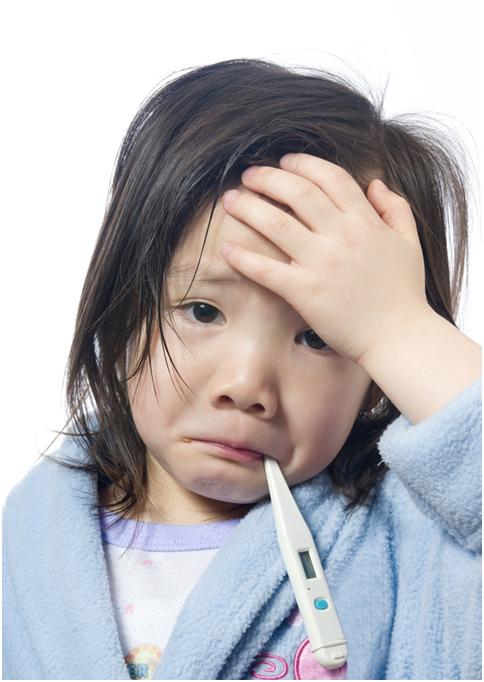
Have you or your loved ones gotten sick more often since the Covid pandemic? You’re not alone. According to a study done by Bloomberg and London-based disease forecasting firm, Airfinity Ltd., at least 13 communicable diseases- from the common cold to measles and tuberculosis- are surging past pre-pandemic levels in regions across the world. The research also found that 44 countries and territories have a reported resurgence in one or more infectious diseases that’s at least 10 times worse than the pre-Covid baseline.

In the past few years, we have seen different seasons characterized with “tripledemics” of Covid, RSV and influenza surging together. Whooping cough cases have climbed by 45 times in China in the first four months of 2024 compared with last year. “Flesh-eating” disease that can kill people within 48 hours is spreading in Japan. Cases of streptococcal toxic shock syndrome (STSS) reached 977 this year by June 2, almost a 200% increase in the number of infections reported during the same period last year according to the National Institute of Infectious Diseases. At the current rate of infections, it is predicted that the number of cases in Japan could reach 2,500 this year, with a terrifying mortality rate of 30%. STSS is caused by Group A Streptococcus (GAS), the same bacteria that causes strep throat in children. Since 2022, health agencies around the world recorded a surge in severe invasive Strep A infections following the lifting of pandemic restrictions. In the USA, UK and parts of Europe, measles, which was declared eliminated in the US in 2000, is spreading.

Is there anything we can do?

  1. Vaccines are the most effective way to prevent many infectious diseases. Staying up to date with vaccinations can help protect infants, children and vulnerable groups against potentially life-threatening diseases. But for certain viruses (like Covid-19 and influenza), often times, the immunity acquired through vaccination is not permanent. This is known as the waning effect, hence the need for vaccine boosters.
  2. The immune system plays a crucial role in the susceptibility, persistence, and clearance of infections. If you or your child is getting sick again and again, it’s time to support and restore proper immune function. With at least 70% of immune cells present in the gut, a healthy gut microbiome (i.e. having a wide range of different beneficial bacteria) is vital for a healthy immune system and plays an important role in regulating immune function. In addition to consuming probiotics (through food and/ or supplementation), it’s important to eat nutritious foods to boost immunity and ensure adequate fiber/ prebiotics intake so that the beneficial gut bacteria can grow and thrive. Click here to learn more tips on rebuilding your immunity, naturally.
  3. To help prevent transmission, practice “respiratory etiquette”: Sneeze or cough into the crook of your elbow, not into the air or your hands.
  4. Wash your hands often with soap and water.
  5. Avoid touching your face. The eyes, nose and mouth are all entry portals for viruses and bacteria. “Scratching the nose, rubbing your eyes, leaning on your chin and your fingers go next to your mouth — there’s multiple ways we do it,” said Dr. Nancy C. Elder, a professor of family medicine at Oregon Health and Science University in Portland. “Everybody touches their face, and it’s a difficult habit to break.”

Your mental/ emotional health, amount of sleep, level of exercise, ability to regulate inflammation, smoking/ vaping/ alcohol-drinking habits, etc. also impact how well your body fights infections. If you are concerned about recurrent infections or want to know more ways to support your immunity, find a healthcare practitioner who is up-to-date on the latest research and trained to help your body function optimally.

SOURCES: https://www.bloomberg.com/news/features/2024-06-14/why-is-everyone-getting-sick-behind-the-global-rise-in-rsv-flu-measles?cmpid=BBD061724_prognosis&utm_medium=email&utm_source=newsletter&utm_term=240617&utm_campaign=prognosis

https://www.ncbi.nlm.nih.gov/pmc/articles/PMC8001875/#:~:text=The%20immune%20system%20plays%20a,the%20local%20mucosal%20immune%20system.

International Men’s Health Week- 5 tips for a healthier you!

International Men’s Health Week is typically celebrated during the week leading up to Father’s Day (i.e. this week!). In celebration of the men in our lives making a positive impact, here are a few not-so-common tips for men to stay healthy and to thrive:

  1. Time for a “healthy heart” check-up. What’s your blood pressure? Do you have elevated cholesterol? Have you gotten your ApoB test done yet?
    • High blood pressure, i.e. hypertension, is often called the “silent killer” and can cause damage in the arteries, heart, kidneys, eyes and brain. The ideal blood pressure is less than 120 over 80. If you have slightly elevated blood pressure, try exercising more and cutting back on alcohol, both of which can have an immediate beneficial effect. Click here to learn how much exercise is enough.
    • Elevated levels of LDL (“bad”) cholesterol have long been associated with a greater risk of heart disease, but based on recent research, doctors and cardiologists are now looking at apolipoprotein B (apoB), a protein which may be more useful clinically than LDL cholesterol in determining your risk for coronary heart disease. Apolipoprotein B attaches to bad types of cholesterol that cause plaque buildup in your blood vessels, which can lead to damage and heart disease. A simple blood test measures the amount of apolipoprotein B in your blood. Longevity experts, cardiologists and functional medicine doctors like Dr. Yik now suggest getting the ApoB test done if you are a high-risk individual (e.g. heavy drinking/ smoking lifestyle, high cholesterol, a family history of cardiovascular disease- heart attacks, strokes, etc.).
  2. Could it be low hormones/ low testosterone? Nowadays, more men starting in their 30s are struggling with low energy, reduced sex drive, sexual dysfunction (including erectile dysfunction or ejaculation disorders), hair thinning, reduced muscle mass and even depression. Because society often assumes that only older people experience symptoms of low testosterone, or because of embarrassment, these men do not tell their doctor, and they often suffer silently. A simple blood test can reveal what your testosterone level is, and there are many things that can be done to boost hormone levels (there is a difference between deficient testosterone and suboptimal levels. Be sure to find a doctor who knows the difference!). Dr. Yik advises to test both testosterone and DHEA levels for patients.
  3. Stay active and keep connected. Head outside to play a sport with friends, swim some laps or take a long walk to listen to that podcast you downloaded. Create your own workout routine and make an effort to keep it. Exercise has numerous benefits for your physical, mental and emotional health. Social connectedness is an important part of our overall health and wellbeing, and research shows it can be more common for men to have low levels of social connectedness than women. Exercising (team sports, competitive sports, cycling, etc.), card games, video games, fitness/ yoga classes, dining out and hiking are some ways that you can stay connected with others.
  4. Get checked for colorectal cancer. If you are age 50 or older, it is time to get screened for colorectal cancer (get checked sooner if you have a family history of colorectal cancer). Of the various cancer screenings available to men, this one is the best deal because it can prevent, not just diagnose, cancer. A colonoscopy can find and remove precancerous colon polyps.
  5. Go nuts! People who eat around a handful of nuts (approximately 20g) on a daily basis have a lower risk of heart disease and cancer, as well as respiratory conditions, diabetes and infections. Munching on nuts reduced the risk of heart disease by nearly 30%, the risk of cancer by 15%, and the risk of premature death by 22%. Researchers at the Imperial College of London found that most of the reduction in risk was associated with an intake of approximately 15 to 20 grams per day, and no further reduction was noticed if the intake was increased. Click here to read more.

Happy Men’s Week! May you stay healthy, stay strong and stay happy!

SOURCES:

https://www.health.harvard.edu/heart-health/subclass-of-ldl-cholesterol-may-predict-heart-disease#:~:text=High%20levels%20of%20low%2Ddensity,have%20dangerously%20high%20LDL%20levels.

https://www.ncbi.nlm.nih.gov/pmc/articles/PMC2712798/#:~:text=Apolipoprotein%20B%20(apoB)%20may%20be,particle%20cholesterol%20content%20(1).

Graduation: a new chapter in life

‘Tis the time for graduation and commencement ceremonies around the world. As Dr. Yik and her family celebrates a graduation in the family, below is a commencement speech by Pulitzer Prize-winning author Anna Quindlen that resonated with her. To all who are graduating or celebrating a graduate, congratulations and all the best in your next chapter!


“I’m a novelist. My work is human nature. Real life is all I know. Don’t ever confuse the two, your life and your work.
You will walk out of here this afternoon with only one thing that no one else has. There will be hundreds of people out there with your same degree; there will be thousands of people doing what you want to do for a living. But you will be the only person alive who has sole custody of your life. Your particular life. Your entire life. Not just your life at a desk, or your life on a bus, or in a car, or at the computer. Not just the life of your mind, but the life of your heart. Not just your bank account but your soul.

People don’t talk about the soul very much anymore. It’s so much easier to write a resume than to craft a spirit. But a resume is a cold comfort on a winter night, or when you’re sad, or broke, or lonely, or when you’ve gotten back the test results and they’re not so good.

Here is my resume: I am a good mother to three children. I have tried never to let my profession stand in the way of being a good parent. I no longer consider myself the center of the universe. I show up. I listen. I try to laugh. I am a good friend to my husband. I have tried to make marriage vows mean what they say. I am a good friend to my friends, and they to me. Without them, there would be nothing to say to you today, because I would be a cardboard cutout. But I call them on the phone, and I meet them for lunch. I would be rotten, or at best mediocre at my job, if those other things were not true. You cannot be really first rate at your work if your work is all you are.

So here’s what I wanted to tell you today: Get a life. A real life, not a manic pursuit of the next promotion, the bigger pay cheque, the larger house. Do you think you’d care so very much about those things if you blew an aneurysm one afternoon, or found a lump in your breast?

Get a life in which you notice the smell of salt water pushing itself on a breeze over Seaside Heights, a life in which you stop and watch how a red-tailed hawk circles over the water or the way a baby scowls with concentration when she tries to pick up a Cheerio with her thumb and first finger.

Get a life in which you are not alone. Find people you love, and who love you. And remember that love is not leisure, it is work. Pick up the phone. Send an e-mail. Write a letter.

Get a life in which you are generous. And realize that life is the best thing ever, and that you have no business taking it for granted. Care so deeply about its goodness that you want to spread it around. Take money you would have spent on beers and give it to charity. Work in a soup kitchen. Be a big brother or sister. All of you want to do well. But if you do not do good too, then doing well will never be enough.

It is so easy to waste our lives, our days, our hours, our minutes. It is so easy to take for granted the color of our kids’ eyes, the way the melody in a symphony rises and falls and disappears and rises again. It is so easy to exist instead of to live. I learned to live many years ago. I learned to love the journey, not the destination. I learned that it is not a dress rehearsal, and that today is the only guarantee you get. I learned to look at all the good in the world and try to give some of it back because I believed in it, completely and utterly. And I tried to do that, in part, by telling others what I had learned. By telling them this: Consider the lilies of the field. Look at the fuzz on a baby’s ear. Read in the backyard with the sun on your face. Learn to be happy. And think of life as a terminal illness, because if you do, you will live it with joy and passion as it ought to be lived.”

– Anna Quindlen (third woman to win a Pulitzer Prize for commentary)

Bloating and lots of gas? Have loose poop or diarrhea? You may have SIBO.

What is SIBO?

Small Intestinal Bacterial Overgrowth (SIBO) is a condition where there is the presence of excessive bacteria in the small intestine. SIBO typically causes chronic diarrhea, pain and malabsorption. People with SIBO may also suffer from unintentional weight loss, nutritional deficiencies, and osteoporosis. SIBO is caused when bacteria (common ones include Escherichia coli, Enterococcus spp., Klebsiella pneumonia and Proteus mirabilis) that normally grow in other parts of the gut start growing in the small intestine. Experts estimate that up to 80% of Irritable Bowel Syndrome (IBS) sufferers may actually have SIBO. Some people with inflammatory bowel disease may also have SIBO. Here are some common symptoms of SIBO:

  • Bloating
  • Cramping, pain, indigestion
  • Diarrhea
  • Alternating diarrhea and constipation
  • Food sensitivities
  • Regular feeling of fullness
  • Nutrient deficiencies
  • Consuming grains, fibre, starches, legumes may make symptoms worse

Instead of allowing the villi and microvilli to absorb nutrients from the food in the small intestine, the bacteria digest it instead, causing it to ferment. Not only that, but SIBO can also lead to damage to the villi and microvilli. This can lead to malabsorption of a variety of nutrients, especially vitamin B12, folic acid, magnesium, iron and calcium. 

These gases cause a variety of symptoms such as bloating, wind, cramping, diarrhea, burping and constipation. Foods containing fermentable fibre, starch, lactose and fructose can make SIBO symptoms worse, as do gluten, grains, starches like potatoes, legumes and pulses, fruits and some vegetables. 

It is difficult to treat other digestive problems if SIBO is present, and the longer it remains in the small intestine, the more damage it can cause.

What causes SIBO?

SIBO may be caused or exacerbated by the following conditions:

  • Food poisoning
  • Gastroenteritis
  • Antibiotic use
  • Acid blockers
  • Fungus overgrowth
  • Surgical intervention and operations to the abdomen (e.g. appendectomy)
  • A dysfunctional ileocecal valve
  • Oral contraceptive (birth control) pill
  • Overconsumption of simple carbohydrates
  • Stress causing changes to the acidity levels in the stomach and motility of the small intestines
  • Hypothyroidism
  • Diabetes
  • Initial colonization of bad bacteria due to Caesarian birth and/or lack of breast feeding

How do I test for SIBO?

A breath test is a common test for diagnosing SIBO. The test detects methane and/or hydrogen gas, which are byproducts of the bacteria’s digestion only produced by the bacteria and not our bodies. Dr. Yik at IMI clinic offers SIBO testing. For those interested in a comprehensive look at their entire gut microbiome, Dr. Yik offers the detailed GIMAP™ (Microbial Assay Plus) test that uses qPCR to detect parasites, bacteria, viruses, fungi and more.

SOURCE: https://www.healthline.com/health/sibo#causes

Ladies, in your 40s and depressed? Here are the reasons why and what you can do about it.

Women are at a higher risk of developing depression or depressive symptoms during the peri-menopause stage of their life than in their pre-menopause or post-menopause years. Researchers have found that peri-menopausal women are twice as likely to be diagnosed with major depressive disorder (MDD) as those who hadn’t yet entered this hormonal transition. The studies also found that peri-menopausal women are 4 times as likely to develop depressive symptoms as women who haven’t gone through peri-menopause. Symptoms of depression include feeling sad, hopeless or worthless, feeling numb, being tearful, finding it difficult to make decisions as well as losing interest or motivation in your normal activities.

Peri-menopause is the period during which your body makes the natural transition to menopause. Peri-menopause can start as early as in your 30s, or as late as your early 50s, but it most often starts in women aged 40 to 45. Many women experience an array of symptoms as their hormones shift during the time leading up to menopause. Peri-menopausal symptoms include (but are not limited to) irregular menstrual cycles, changes in menstrual flow, hot flashes, hair loss, decreased libido, irritability, anxiety and depression.

During peri-menopause, all hormones are generally on a decline. In particular, estrogen levels go from a rhythmic peak and trough pattern to erratically spiking and plummeting as it goes in decline. These hormonal changes can make some women more vulnerable to the development of depression or other mood disorders such as anxiety or irritability.

So, what can you do to mitigate the symptoms of peri-menopausal depression?

  1. The best treatment will always target the underlying causes. For example, if the depression is hormonal, then hormone treatment will probably work best. For those who prefer a more natural approach, there are widely researched medicinal herbs and nutraceuticals that help promote better hormone balance, alleviate depressive symptoms as well as nourish your body during this period of time. If the depression is biological or psychosocial, then natural or pharmaceutical antidepressants as well as cognitive behavioural therapy will be helpful. If there are nutrient deficiencies or gut imbalances, addressing those issues will help improve overall mental and emotional wellbeing. Find a trained practitioner who is willing to listen and put the pieces of your health puzzle together.
  2. Regular exercise can release serotonin and endorphins, which are neurotransmitters that help to alleviate pain, lower stress, improve mood and enhance your sense of well-being. Remember to include weight-bearing exercises in your exercise regime to keep your bones strong. During weight-bearing activity, the muscles and tendons apply tension to the bones, which stimulates the bones to produce more bone tissue. As a result, the bones become stronger and more dense, decreasing the risk of osteopenia, osteoporosis and fractures. How much exercise does one need? Click here to learn how much exercise you should get for a longer, healthier life.
  3. Follow a Mediterranean diet and also “eat a rainbow”, i.e. colourful vegetables and fruits. Remember to include lean protein, whole grains, fresh fruits and vegetables, beans, legumes, fatty fish, nuts and seeds in your diet. Focus on eating a balanced, healthful, whole foods diet.
  4. Getting adequate sleep is important for your body. Chronic insomnia can increase the risk of developing depression and anxiety- and can make existing conditions worse. Click here to read tips for a better sleep.
  5. Mindful breathing is beneficial for anxiety, depression and other mood disorders as well as impaired quality of life particularly related to chronic diseases. Do deep breathing exercises throughout the day and aim for at least 15 minutes of mindful breathing every day.
  6. Other changes found to be helpful for peri-menopausal depression include limiting caffeine, alcohol and sugar. Anything that reduces stress can help, such as meditation, dancing, listening to (or playing) music, journal writing, and massage therapy. Embrace this season by exploring new hobbies and embarking on new adventures. Prioritize your own desires and passions.

Remember, you are not alone. Mental disorders affect 1 in 4 women.  Click here to read more on how to care for your mental health.

SOURCES: https://www.sciencedirect.com/science/article/pii/S0165032724006438?via%3Dihub

https://jamanetwork.com/journals/jamapsychiatry/fullarticle/209523

https://www.jennis.com (chart)