 COVID-19 has taken center stage as countries across the world scramble to implement social restrictions in an attempt to curb the spread of the potentially deadly coronavirus. According to Harvard scientist Marc Lipsitch, 40 to 70% of the global population could become infected with the coronavirus. Though the majority of infected people experience symptoms similar to the flu, studies show infections can be much more severe in the elderly and immunocompromised, as well as those with diabetes. Below are some practical ways to support your immune system and protect your health.
- Safeguard your lungs. The new coronavirus can cause pneumonia even in the young and healthy- and recent studies show that a number of recovered patients have persistent lung damage- so it’s crucial to protect your lungs. Stop smoking. If you have asthma, COPD or other lung ailments, find a licensed naturopathic doctor if you are interested in supplements, nutraceuticals and botanical medicine that support and tonify the respiratory system.
- Reduce your alcohol consumption. Findings from 14 different studies suggest that alcohol consumption increases the risk of contracting pneumonia. Dose–response analysis found that for every 10 to 20 grams of alcohol intake per day, there was an 8% increase in the risk of getting pneumonia (community-acquired pneumonia, not hospital-acquired).
 One standard drink contains 10 grams of alcohol, which is equivalent to one ordinary beer, a small glass of wine (100 mL) or a nip of spirits (30mL). Drinking alcohol can also weaken your immune system. “Consuming excessive amounts of alcohol could cause damage to immune cells in the lungs and upper respiratory system,” explains Dr Aragona Giuseppe, GP and medical advisor at Prescription Doctor, “which in turn can increase the risk of developing diseases such as tuberculosis, pneumonia and respiratory distress syndrome, not to mention making you more susceptible to viruses. Furthermore, alcohol can also affect the gut barrier allowing more bacteria to pass into the blood, and this, in turn, causes a depletion of the three most important kinds of cells in your immune system, Macrophages, T- and C- cells.” Stay hydrated by drinking water and healthier, non-alcoholic beverages instead.
 - It’s normal to feel stressed, anxious and uncertain. Take time to relax. Try journaling, prayer, a meditation practice, deep- breathing exercises or stepping out into nature for a jog or a hike. Connect with a friend or loved one (preferably someone who won’t make you more anxious!) over Zoom or FaceTime. Click here for more ways to reduce anxiety naturally.
- Keep moving! Light exercise is a powerful stress reliever and immunity booster, helping the body sweat out any toxins. As many gyms and fitness centers have closed during the pandemic, try going outdoors (in open space) for your exercise. Or, follow a YouTube video to stay active.
- Consume a healthful diet.
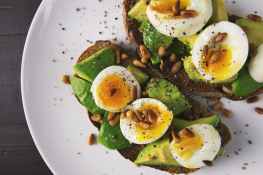 Eat more colourful vegetables and fruits such as dark greens, carrots, and berries, which contain a lot of nutrients and antioxidants. Onions, garlic and turmeric (a spice) are also rich in antioxidants. Click here to find the top healthful foods. Ensure adequate protein intake. Consume more good fats. Avoid sugary foods/ drinks and processed foods.
 - Ensure adequate sleep. Keep your room dark, ditch your digital devices and try to sleep at the same time every night. Click here for more tips on getting a good night’s rest.
Click here to read more on how you can boost your immune system. Remember, we are all human, we are all vulnerable to illness and we are all in this together. Please do your part in social distancing and practising good hygiene. Stay safe and healthy during these turbulent times.
SOURCES: https://bmjopen.bmj.com/content/8/8/e022344; https://metro.co.uk/2020/03/17/drinking-alcohol-can-weaken-immune-system-leave-vulnerable-viruses-12405978/
 As the number of coronavirus COVID-19 cases keeps climbing up, e
 While it is normal to feel anxious about COVID-19 (especially if you are in a city experiencing an outbreak), having an appropriate level of anxiety driven by the facts will help you take the right kind of action. In the digital era, it’s often a challenge to discern fact from fiction. According to a Stanford study, millennials have difficulty determining what’s true and what’s false online and on social media, despite their fluency with the internet. How do we separate fact from fiction? Try to get facts from news and articles that quote medical experts, epidemiologists, the World Health Organization and other trusted sources.

 Loneliness often leads to sleeplessness. Researchers have found a link between sleep disruptions and loneliness.
  Be nice to yourself. Practising self-kindness and engaging in self-care can boost your mood and change the way you view certain situations. Try talking to yourself in a way that is supportive and caring. Take a nature walk, give yourself a manicure or try a new restaurant in town- better yet, ask someone to join you.
 Chinese New Year is fast approaching, and according to Hong Kong experts, the novel coronavirus has already spread to 20 other cities in China, just ahead of the country’s biggest festival. China has confirmed that this respiratory virus can be spread from human to human.
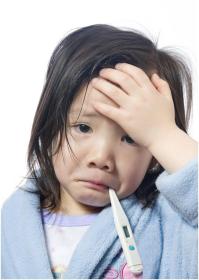 In Japan, a randomized, double-blind, placebo-controlled trial compared vitamin D3 supplements (1200 IU/day) with placebo in school-aged children. Researchers found that the children receiving the sunshine vitamin had a 42% reduction in getting influenza A compared to those not receiving it.
  Are you deficient in micronutrients?
  Practice good hygiene. Wash your hands with soap after you use the toilet and before eating. Avoid touching your nose, mouth or face. Sneeze or cough into a tissue or sleeve (not your hands), or wear a mask when you are sick. Change into clean clothes when you return home.
 Disengagement. Withdrawing from friends and activities may be a sign that something is wrong. Complaints of boredom could also be a warning sign. “Boredom isn’t a natural state for a child,” says Tyler Black, a child and adolescent psychiatrist at BC Children’s Hospital in Vancouver. “In child psychiatry, it’s considered a symptom of sadness.”

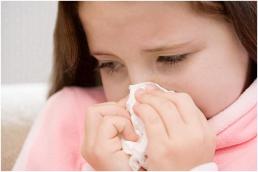 Whether you’ve got a stuffy nose from a cold, flu or allergies, sleeping through the night can be a challenge with all that congestion. Read on for tips on how to sleep better when you are congested.
 Use a humidifier to
 More and more research is showing a strong connection between time spent in nature and reduced stress, anxiety and depression. Not only that, but individuals who are more connected to nature tend to be happier in general.
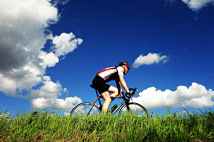 How much time with nature is enough? “Anything from 20 to 30 minutes, three days a week, to regular three-day weekends in the woods is helpful,” says Dr. Strauss. “The point is to make your interactions a part of your normal lifestyle.” It can be as simple as a daily walk in the park, a weekend trail hike or combining the nature outings with your
  “Many men are at higher risk for mood disorders as they age, from dealing with sudden life changes like health issues, the loss of loved ones, and even the new world of retirement,” says Dr. Strauss. “They may not want to turn to medication or therapy for help, and for many, interacting with nature is one of the best self-improvement tools they can use.”

 A study of two large groups of Europeans found that several species of gut bacteria are missing in people with depression.
  From the same study, Raes and his colleagues began looking for something that could link microbes to mood. They compiled a list of 50+ substances important for proper nervous system function that gut microbes either produce or break down. They found, for example, that Coprococcus seems to have a pathway related to dopamine, a key brain signal involved in depression, although they have no evidence how this might protect against depression. The same microbe also makes an anti-inflammatory substance called butyrate; we know that increased inflammation is implicated in depression.
 Serotonin is a major chemical involved in the regulation of mood and emotion. Although this “happy hormone” is well known as a brain neurotransmitter, it is estimated that 90% of the body’s serotonin is made in the digestive tract. And it turns out that certain bacteria in the gut are important for the production of peripheral serotonin. In one Caltech study, researchers found that germ-free mice produced approximately 60% less serotonin than their peers with conventional bacterial colonies. When these germ-free mice were recolonized with normal gut microbes, the serotonin levels went back up, showing that the deficit in serotonin can be reversed using proper bacterial colonies.
 Professor of Genetic Epidemiology at King’s College London Tim Spector remembers the moment when he realised the centrality of the gut. As director of the country’s biggest twin registry, he had always wondered how identical twins can be so different, even with exactly the same genes. How can one be fat while the other, thin? One happy, the other sad? He came to the answer when he compared the gut microbiota of different sets of twins:
 Need a nap? It turns out that taking an occasional nap is favourable to your health. Before you take one, read on to learn its benefits!
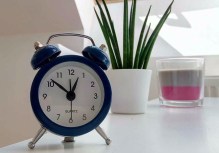 Taking a power nap can help you boost productivity. Sleep experts have found that daytime naps can help improve cognitive function such as increasing alertness, boosting memory, reducing mistakes, improving perception and accuracy as well as boosting creativity. A study at NASA on sleepy military pilots and astronauts found that a 40-minute nap improved performance by 34% and alertness 100%.
 In the USA, napping stations and sleep pods are now popping up in various universities. ” Napping is a survival mechanism for college,” says Sara Mednick, Assistant professor at University of California-Riverside and author of
  Napping is better than consuming caffeine. “The boost you get from caffeine is good for 15 to 20 minutes up to a half hour, but sleep is actually taking the recent information that you’ve learned and filing it away for you so you can more effectively take in new information,” says Robert Stickgold, an associate professor of psychiatry at Beth Israel Deaconess Medical Center and Harvard Medical School. Caffeine cannot make you feel as rested as well as a nap.

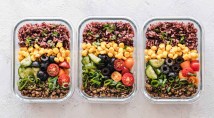 Unprocessed foods include fruits, vegetables, nuts, seeds, roots, etc. from plant foods, animal meat, fungi and algae. These can be fresh, frozen, or even fermented. Dry beans, grains like rice or steel-cut oats, seafood, nuts and spices are also unprocessed foods. The key point is that they have not been treated with additives, injected with salt or rubbed with oil until they’re about to be eaten.

 Dr. Ardyce Yik ND