 Hashimoto’s thyroiditis and Grave’s disease are autoimmune conditions where the immune system attacks the thyroid gland, which produces hormones that regulate metabolism, energy and mood. In these autoimmune conditions, the immune system creates anti-thyroid autoantibodies (aka thyroid antibodies) that damage the thyroid gland.
Hashimoto’s disease is the most common cause of hypothyroidism (click here if you are hypothyroid and trying to get pregnant). You might have experienced symptoms such as fatigue, brain fog, weight gain, anxiety, digestive issues, hormone imbalances, fertility challenges and/ or miscarriages- and were subsequently diagnosed with hypothyroidism. Did your doctor test for thyroid antibodies? The presence of thyroid antibodies in the blood, along with high TSH or low FT4 is indicative of Hashimoto’s. You may already be on thyroid medication (i.e. levo-thyroxine) but if your thyroid antibodies are still high, their presence may cause continuous damage to the thyroid tissue.

Many people with this condition wonder if those antibodies will ever decrease or normalise. To answer this question, we need to understand what might cause the immune system to start attacking the thyroid in the first place. Although genetics play a role in the susceptibility of getting Hashimoto’s, whether those genes activate disease depends on certain environmental and lifestyle factors. Some points to consider:
- The gut microbiome, the community of bacteria that live in your intestines, play a key role in regulating the immune system. When your gut flora is out of balance, the immune system can lose its balance too and become more inclined to mistaken the thyroid for something that needs to be attacked.
 Some studies have found that individuals with thyroid disorders have significantly lower numbers of Bifidobacteria and Lactobacilli (beneficial bacteria) and significant higher levels of Enterococcus species (considered an opportunistic pathogen) compared to healthy controls. Other studies have found that H. pylori infections are more commonly found in people with Hashimoto’s disease than those without. A 2015 study found that getting rid of Blastocystic hominis infections normalised thyroid hormones and decreased thyroid antibodies. The gut definitely plays a role in autoimmune conditions.To investigate each patient’s unique microbiome, Dr. Yik offers various lab testing, including the GI MAP (GI-Microbial Assay Plus) test, a comprehensive stool analysis that includes an FDA-approved DNA/PCR assay for GI pathogens (bacteria, parasites, viruses, yeast, etc.).
 Food sensitivities or intolerances can cause chronic inflammation and trigger unwanted immune reactions. Research shows that there’s a link between thyroid autoimmunity and gluten. Many, though not all, people with Hashimoto’s disease have a gluten sensitivity. In some cases, thyroid antibodies return to normal when gluten is removed from the diet. In Dr. Yik’s practice, dairy and eggs are also common food sensitivities found in patients with Hashimoto’s or Grave’s disease. If you decide to do the test, remember to get tested for food intolerances, not allergies (click here to read about the difference).
- In practice, Dr. Yik has found a link between Hashimoto’s thyroiditis and Epstein Barr virus (mononucleosis). How do underlying infections lead to autoimmunity? One theory is the molecular mimicry theory, in which the immune system remembers specific proteins on the viruses that it correctly attacked, but then it starts attacking other proteins in the body that look similar to the virus protein. Another theory, the bystander effect, is where the immune system attacks healthy cells along with the virus.
 Could you be deficient in nutrients? You may be eating healthy, but if you have gut dysbiosis or gut inflammation (see above), you may not be absorbing the nutrients from foods you eat. The cells that line the gut have fingerlike projections called villi, which increase the surface area for transporting nutrients into the body. When the gut is inflamed, these villi can become shortened, which results in impaired nutrient absorption. Low vitamin D, selenium, vitamin A and zinc are all associated with the development of Hashimoto’s.
- Chronic stress and heavy metal toxicity have also been linked to thyroid autoimmune disease.
If you have Hashimoto’s or Grave’s disease, it’s important to find a doctor who addresses the underlying causes of your condition, not just prescribe thyroid medication to “balance” hormones.
SOURCE:
https://www.ncbi.nlm.nih.gov/pubmed/26230132
https://www.ncbi.nlm.nih.gov/pmc/articles/PMC5339455/
https://www.ncbi.nlm.nih.gov/pubmed/21073613
https://www.ncbi.nlm.nih.gov/pmc/articles/PMC5618598/
https://link.springer.com/article/10.1007%2Fs00284-014-0640-6
 How can being too clean make us sick? Well, it turns out that excessive cleanliness or a lack of exposure to bacteria, viruses and allergens prevents the normal development of the immune system, which eventually increases the chance of disorders within this system down the road. This is called the hygiene hypothesis, and it explains why allergy and asthma rates are much higher in wealthy countries. Studies have found that babies who are exposed to both bacteria and allergens in the first year of life are less likely to develop asthma and allergies. In fact, a 2014 study found that inner-city babies who grow up in houses with higher levels of certain bacteria (carried on cockroach, mouse and cat dander) are less likely to experience wheezing or asthma by the age of 3.
 Furthermore, researchers have found that specific conditions as asthma, inflammatory bowel diseases and various allergies, including hay fever, have become much more common as we’ve become more sanitary. These health ailments are more prevalent in developed countries compared to developing ones.
 In Hong Kong, many personal care products and household items containing triclosan or triclocarban are commonly advertised on TV and in public. Beware of the detrimental effects these products may have on your children’s health and yours.


 A diet high in sugar can also affect your temperament. Eliminate processed foods and eat a healthful diet rich in complex carbohydrates, fruits, vegetables, lean protein and good fats. Foods which may ease anxiety include fatty fish, nuts, eggs, turkey and yogurt.
 You drink a few glasses of wine and there it is- your stomach or abdomen expands to a point where it’s uncomfortable, noticeable and embarrassing. Why does this happen? It turns out that drinking alcohol may lead to irritation and inflammation in the stomach (i.e. gastritis) which leads to bloating. Alcohol can also cause weight gain, which gives the appearance of bloating. Bloating and weight gain, two different effects of drinking alcohol, are discussed below.


 Researchers say that 10% of the general population have thyroid disorders. If you’re a woman over the age of 35, take heed- Experts estimate that 1 in 3 women over 35 develop thyroid illness at one point in their lifetime. The thyroid, a butterfly-shaped gland located in the neck, produces thyroid hormones which regulate your body’s temperature, metabolism, and heartbeat. Things can start to go wrong when your thyroid is under- or over-active.
 Fatigue. Feeling tired all the time and having no energy are strongly associated with hypothyroidism, a condition where the thyroid is underactive. A common complaint in patients with hypothyroidism is that they feel exhausted even after a full night’s sleep. They just want to sleep all the time, and they feel lethargic during the day.
 Weight gain or loss. People with hypothyroidism may eat very little and exercise a lot, but still gain weight. On the other hand, unexplained weight loss could indicate a thyroid problem, or something else. If you haven’t changed your caloric intake, but you are either gaining weight or losing weight, seek a doctor to get your thyroid checked.
 Other symptoms of thyroid imbalance include low libido, depression, high blood pressure, a lump in the throat/ neck or difficulty swallowing, dry skin, carpal tunnel syndrome or painful extremities.
 Hotel Bedspreads. The heavy bedspread on top of the hotel bed may not have been washed in a while! Most hotels change the sheets between guests but not the top comforter. To avoid the germs left behind by past guests, remove the top layer of bedding and sleep only with the washed sheets and blankets.
 Airplane Seat Pockets. A place where passengers put used tissues, soiled diapers and food waste, airplane seat pockets are another breeding ground for germs.
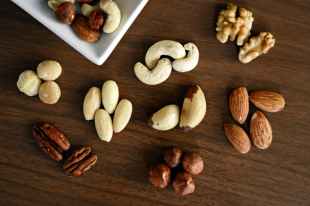 Almonds. Almonds are rich in nutrients, including vitamin E, manganese, iron, calcium, magnesium and riboflavin. It contains more fibre than any other tree nut, an
 Oatmeal. Oats are rich in complex carbohydrates and water-soluble fibre, which slows down digestion and stabilizes blood glucose levels. Oatmeal is rich in B vitamins, folate and potassium. Choose the coarse or steel-cut oats which contain more fibre than instant varieties.
 Avocados.
  A new study from the European Journal of Epidemiology has found that eating nuts during early pregnancy can boost a child’s cognitive ability. According to the study done by researchers in Spain, children born to mothers who consumed 2 to 3 ounces of nuts per week during the 1st trimester of pregnancy typically scored higher on I.Q., memory and attention tests, compared with women who did not eat nuts.
 Research has shown that taking omega-3 fats during pregnancy can improve the child’s learning and co-ordination as well as prevent postnatal depression. Furthermore, omega-3 consumption during pregnancy not only reduces the likelihood of obesity in childhood and later in life, but it can also enhance the child’s eye health (
 Have you heard of the Ketogenic (or Keto) Diet? Established in the 1920s when doctors used it as a therapy to treat epilepsy patients, the Keto Diet has become one of the most popular weight loss diets in recent years. So, what exactly is the Keto Diet and is it safe for everyone?
 Although eliminating sugars and processed carbohydrates can improve your gut health, a low-carb diet can affect your gut microbiome negatively (not to mention cause constipation) if you don’t eat enough fiber. The more we learn about gut health and the microbiome, the more we realise that gut health is key to overall health. It has a significant impact on our physical and mental wellbeing. On the Keto Diet, remember to load up on leafy greens, nuts, asparagus, avocados and other fiber-rich foods.


 Dr. Ardyce Yik ND