
Hong Kong’s Consumer Council revealed yesterday that eating too many chips and French fries may carry hidden health risks.

French fries from fast-food chain Five Guys, waffle fries from Ikea and Spaghetti House’s hash browns were among those found to have exceedingly high levels of acrylamide. In a response to the council, Five Guys said it would reduce acrylamide in its products by monitoring the quality of potatoes and create guidelines for changing cooking oils.
Currently, Hong Kong has no safety standards regarding the level of acrylamide in food. In the EU, food business operators are required to limit the amount of the substance during production.
So, what about the healthier chip alternatives? Commercially sold prawn, corn and quinoa chips typically contain less acrylamide and fat, but they are high in sodium.
Try some healthier snacks below.
HEALTHY SNACK ALTERNATIVES
- Do you like crispy or crunchy foods? Try making sweet potato/ yam or lotus root chips. Slice the raw vegetable, soak the slices in water for 15 to 30 minutes before baking or air-frying them until crisp. Soaking them first in water can reduce acrylamide formation while cooking.
- Enjoy a handful of nuts. Researchers at the Imperial College of London and the Norwegian University of Science and Technology found that people who eat 20g (around a handful) of nuts on a daily basis have a lower risk of heart disease and cancer, as well as respiratory conditions, diabetes and infections. Click here to read more about the benefits of nuts.
 Fruits are a healthy, refreshing snack. Berries, papaya, avocado, pomegranate and seasonal fruits are great choices. Apple slices with nut butter are also healthy and satisfying.
- Chia seed pudding made with almond milk and topped with berries and pumpkin seeds makes a nutritious and delicious snack.
- Try baby carrots or celery sticks with hummus or tahini.

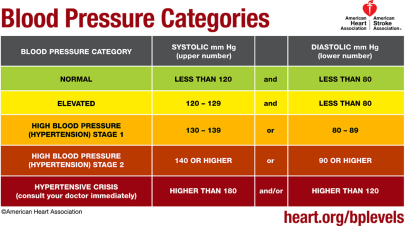 High blood pressure (also referred to as HBP or hypertension) is a condition in which your blood pressure, the force of blood flowing through your blood vessels, is consistently too high. Under the new guidelines in 2017 from the American Heart Association and the American College of Cardiology, anyone with a blood pressure of 130/80 millimeters of mercury (mm Hg) or higher meets the criteria of stage 1 hypertension. If left undetected or uncontrolled, high blood pressure can lead to heart attack, stroke, heart failure, kidney disease, vision loss and sexual dysfunction.
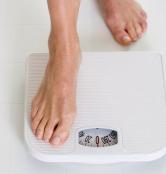 LOSE WEIGHT. If you are overweight or obese, losing weight can help to lower blood pressure. For every 20 pounds you lose, you can drop 5-20 points in systolic pressure (first/ top number of the blood pressure reading). Have difficulty losing weight?
  REDUCE (negative) STRESS. Meditate. Journal. Do deep breathing exercises. Listen to calming, soothing music. Spend time in nature. In 2018, “nature prescriptions” such as nature walks started being prescribed by doctors to patients in Scotland’s Shetland Islands as part of treatments for chronic illnesses. According to the National Health Service Shetland, these “nature prescriptions” help treat a range of afflictions, including high blood pressure, anxiety and depression. Calming nature sounds and even outdoor silence can lower blood pressure as well as levels of the stress hormone cortisol, calming the body’s fight-or-flight response. The visual aspects of nature can also have a soothing effect, according to Dr. Jason Strauss, director of geriatric psychiatry at Harvard-affiliated Cambridge Health Alliance. “Having something pleasant to focus on like trees and greenery helps distract your mind from negative thinking, so your thoughts become less filled with worry.”
 Instead of allowing the villi and microvilli to absorb nutrients from the food in the small intestine, the bacteria digest it instead, causing it to ferment. Not only that, but SIBO can also lead to damage to the villi and microvilli. This can lead to malabsorption of a variety of nutrients, especially B12, folic acid, magnesium, iron and calcium.
  Food poisoning
 Hong Kong endured nearly 8 months of social unrest before COVID-19 hit the city in January 2020. Citizens were already facing a major mental health burden, with the medical journal The Lancet reporting that almost 2 million people in Hong Kong- about 1 in 3 adults in the city- experienced symptoms of post-traumatic stress disorder (PTSD) one time or another during that period. The current global pandemic only adds more worries and anxiety as people are thrusted into a “new normal”. Social distancing, economic or financial uncertainty, school closures, home learning, information overload- not to mention you, loved ones or friends getting sick or succumbing to COVID-19… The impact of this coronavirus outbreak can be overwhelming.
 Eat more colourful vegetables and fruits such as dark greens, carrots, and berries, which contain a lot of nutrients and antioxidants.
  Avoid alcohol, drugs and smoking. If you smoke tobacco or if you vape, you are already at a higher risk of lung disease. COVID-19 affects the lungs, so your risk increases even more. Drinking alcohol reduces your coping skills and can make matters worse, not to mention it can increase your risk for pneumonia. Read more
  Build support and strengthen relationships. Stay connected with others by email, text messages, FaceTime or phone. Check in on your family members, friends and neighbours. If you can, help those who are in need. Find purpose in helping others.
 Everyone ages, but have you noticed that no two people age in the same way? Some people experience dramatic memory loss as they grow older, while others remain cognitively fit. Some experts say that diet is key, while others emphasise exercise and keeping active. Both factors have an impact on how your brain will age, but you may ask, which is more important to keep your brain healthy? Well, it turns out it depends on your genetic makeup.
 Consume a Mediterranean diet, which emphasizes fresh fruits, vegetables, whole grains, legumes, olives/ olive oil and fish such as sardines, salmon and mackerel, and nuts (almonds, walnuts, cashews, pistachios, Brazil nuts, macadamia nuts, etc.
  “… Engaging in a program of regular exercise of moderate intensity over six months or a year is associated with an increase in the volume of selected brain regions,” says Dr. Scott McGinnis, a neurologist at Brigham and Women’s Hospital and an instructor in neurology at Harvard Medical School. Regular exercise can reduce insulin resistance as well as inflammation, both of which have been linked to dementia and Alzheimer’s disease. Staying active also improves mood and sleep while reducing stress and anxiety. Problems in these areas commonly cause or contribute to cognitive impairment.
 Dr. Bredesen believes that by correcting and rebalancing these factors, the cognitive decline of early Alzheimer’s can be prevented and even reversed in some cases.
  The 2020 Dirty Dozen™ List is out! Here is the list of foods that contain the most pesticide residues:

 As part of the Coronavirus COVID-19 pandemic guidance, the Scottish government has recommended that people start getting a daily dose of vitamin D. The government statement published last week says: “Since it’s difficult for people to get enough vitamin D from food alone, everyone (including children and pregnant and breastfeeding women) should consider taking a daily supplement containing 10 micrograms of vitamin D. This advice is especially important for people who are indoors all of the time.”



 Eat slower. “Stretch receptors in the stomach are activated as it fills with food or water; these signal the brain directly through the vagus nerve that connects gut and brainstem. Hormonal signals are released as partially digested food enters the small intestine,” explains Ann MacDonald, a contributor to Harvard Health. This process of sending signals from your gut to your brain can take anywhere from 5 to 20 minutes, so it’s important to take your time to eat. Chew your food thoroughly and enjoy your meal.
 When you’re not hungry but find yourself grabbing food, ask yourself why. Are you bored? Are you stressed? Are there other ways to manage how you’re feeling, like connecting with a friend? Journalling? Uploading a funny video to TikTok? Exercising?
 The coronavirus survived for up to 17 days aboard the Diamond Princess cruise ship, living much longer on surfaces than previous research has shown, according to the Centers for Disease Control and Prevention (CDC) in the United States. Traces of the coronavirus were found on surfaces in cruise-ship cabins for as many as 17 days after passengers left, researchers noted, but they were not able to determine whether the virus caused any infections. The study looked at the Japanese and U.S. government efforts to contain the COVID-19 outbreaks on the Carnival-owned Diamond Princess ship in Japan and the Grand Princess ship in California.
 Dr. Ardyce Yik ND